


 Posts
Posts


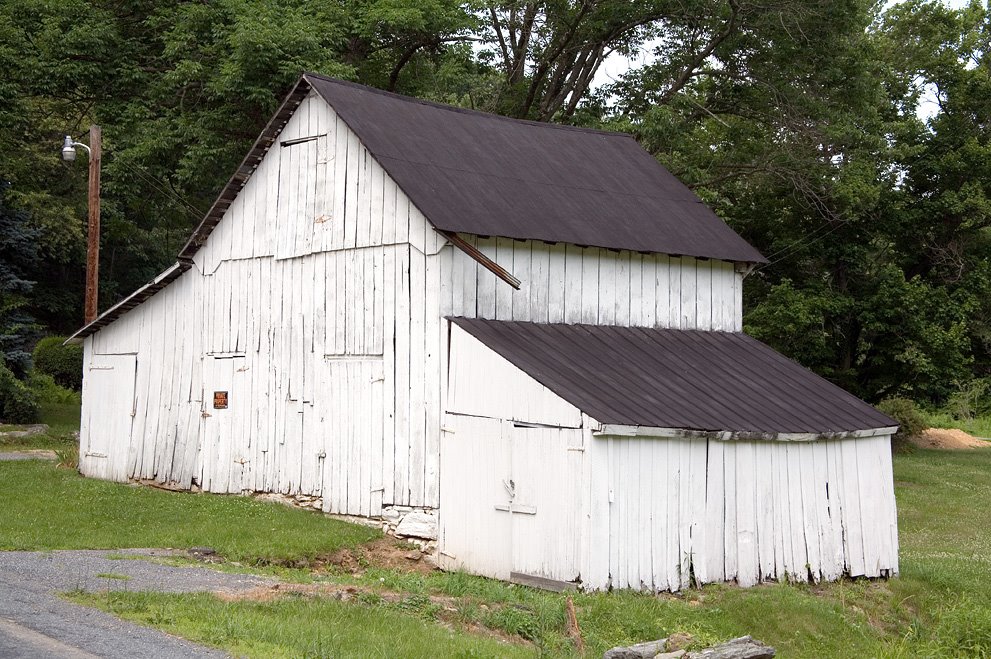
This house and barn, located at the corner of Amoss & Amoss Mill Roads, were probably once part & parcel of that famous mill (already described by us here). Like many/most of the houses featured on Falmanac, these two buildings sit on private property, but are easily viewed from the road. As a matter of fact, just about everything on this site makes for good Sunday drive fodder, requiring only a pair of eyeballs (or occasionally, a spy glass), to see.
Harford County, Maryland. Canon 20D & Canon 5D, respectively.
Jul 6, 2006
Old house #10

Jul 4, 2006

Jul 3, 2006
Old house #9

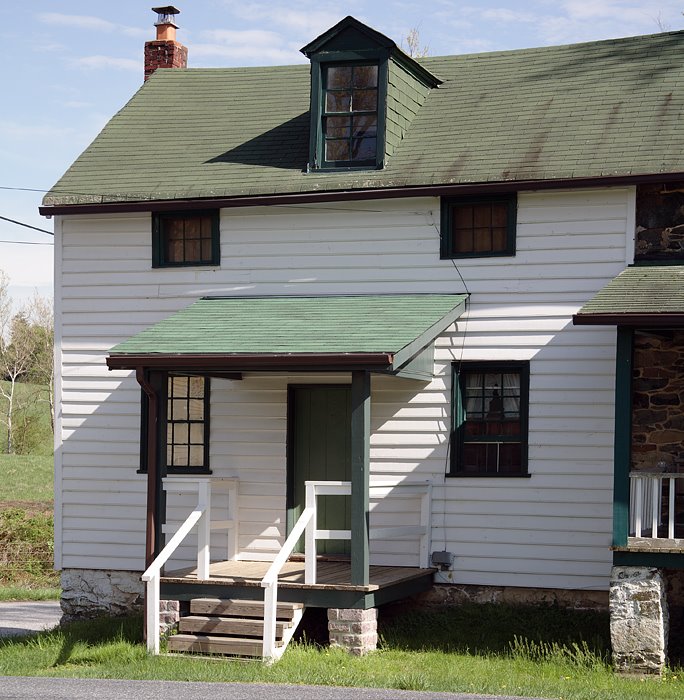
Tenant farm house ca 1800. Jerusalem Road, Joppa, Maryland.
Camera: Canon EOS 5D with Canon EF 28-135mm f/3.5-5.6 IS USM lens.
Jul 2, 2006
Jul 1, 2006
Country Churches: Chestnut Grove A.M.E.
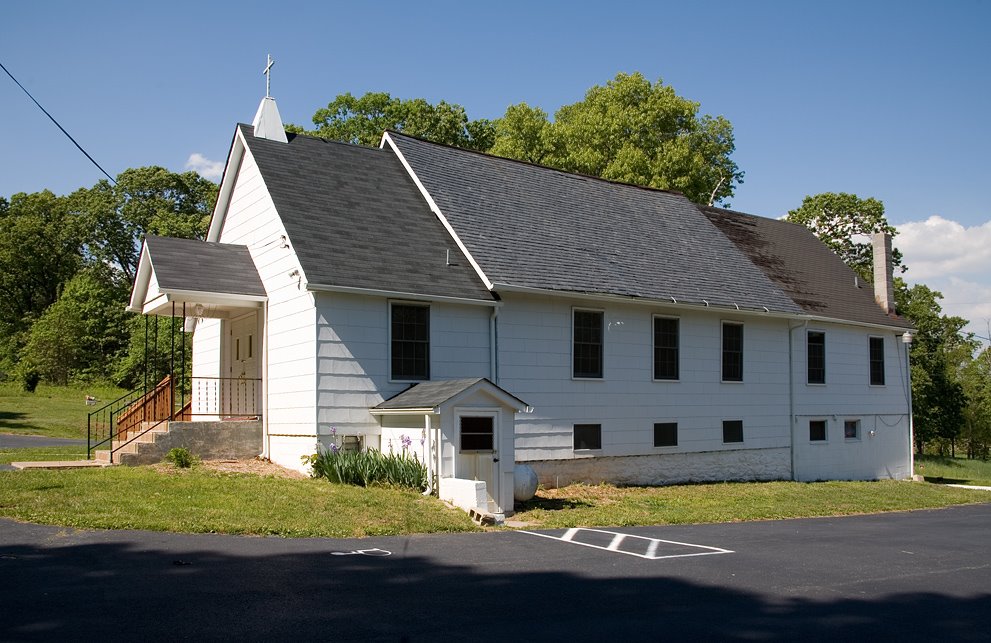
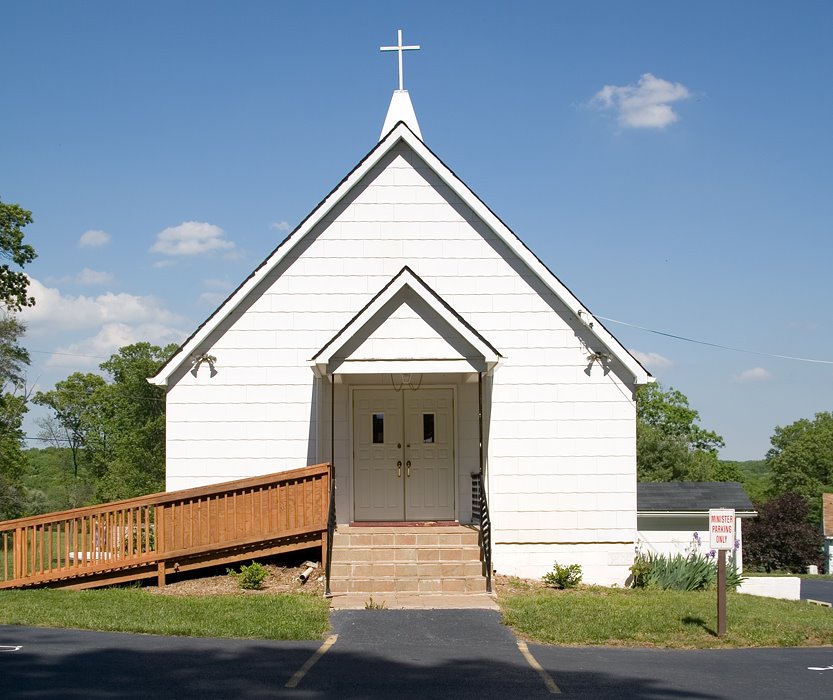
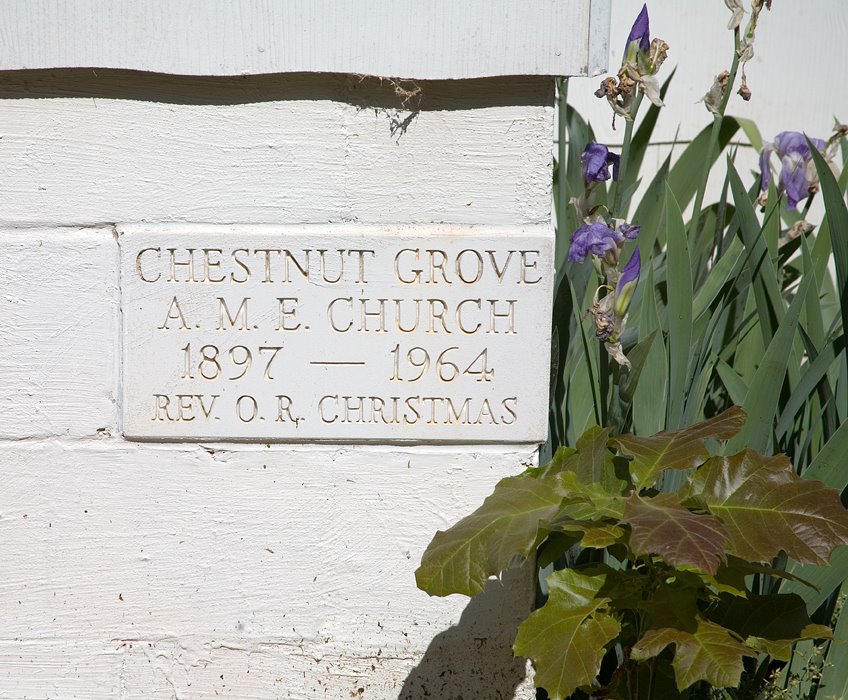
"Chestnut Grove African Methodist Episcopal (AME) Church had its beginnings during the latter part of the 19th century. A group of people with deep religious beliefs had a strong desire to erect a temple for Christian fellowship. These persons were also desirous of having a schoolhouse where boys and girls could be taught to read and write. This was made possible through the Freedom Bureau Act, which constructed schools for Negro children after the Civil War. This was the beginning of the Old Rocks Colored Elementary School, which latter became the LaGrange Colored School. It was during this time ..." Read On.
Camera: Canon EOS 5D with Canon EF 28-135mm f/3.5-5.6 IS USM lens.
Jun 30, 2006
D.H. Springhouse

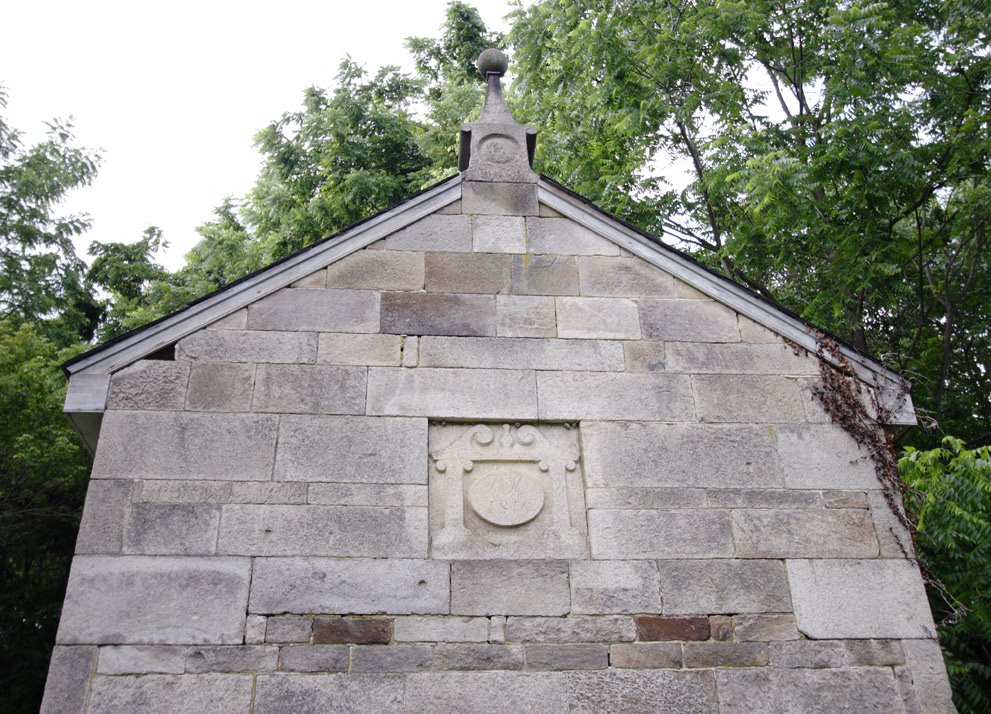
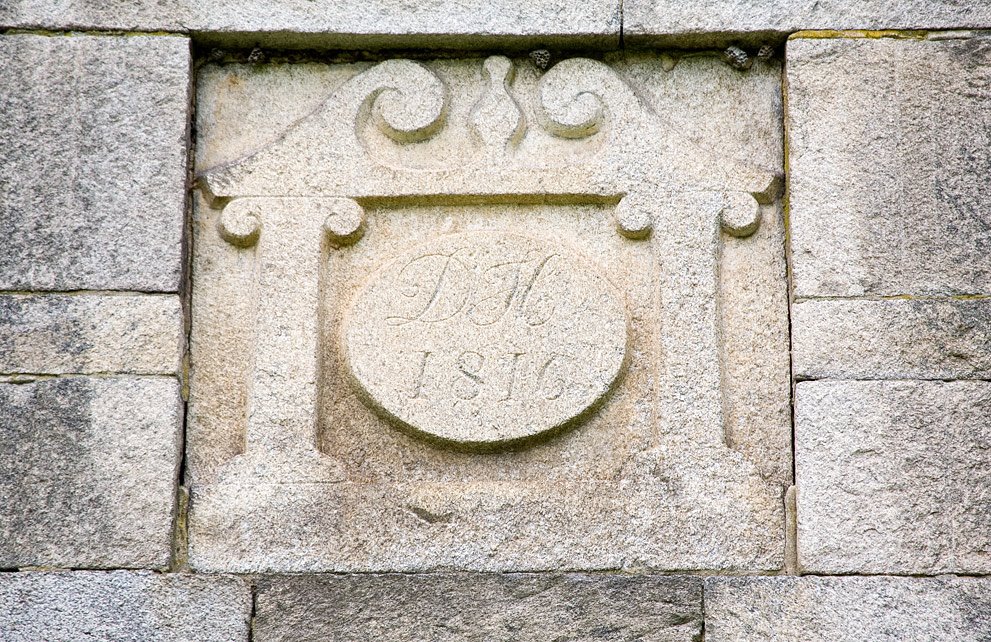
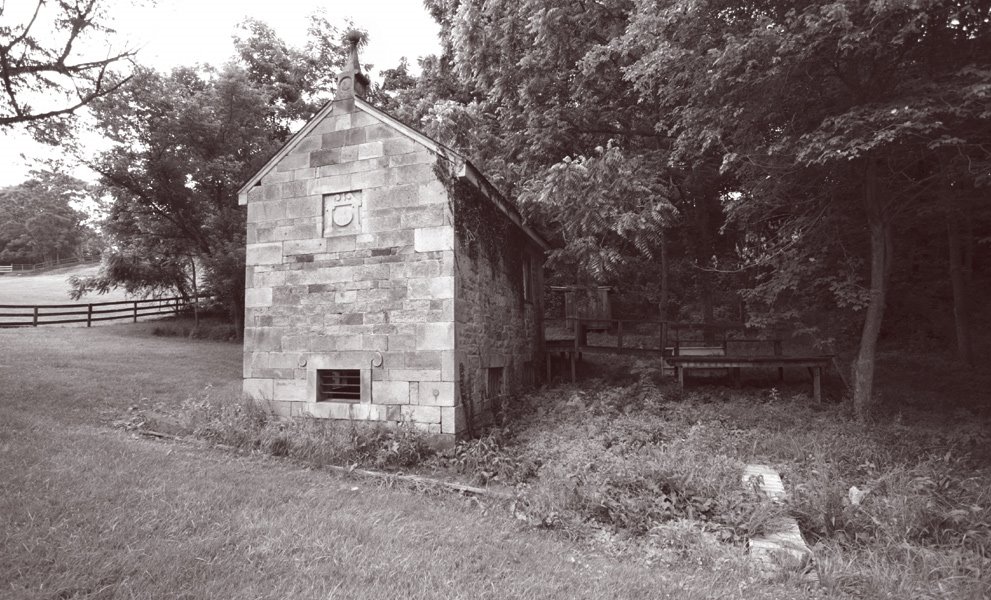

The D.H. Springhouse, built by "the celebrated stone mason" David Hopkins, is easily the most elaborate springhouse in Harford County, Maryland. Some say it was built to spec and some it was designed to advertise the builder's skill. It is located along Sandy Hook Road.
Jun 29, 2006
Conowingo Dam

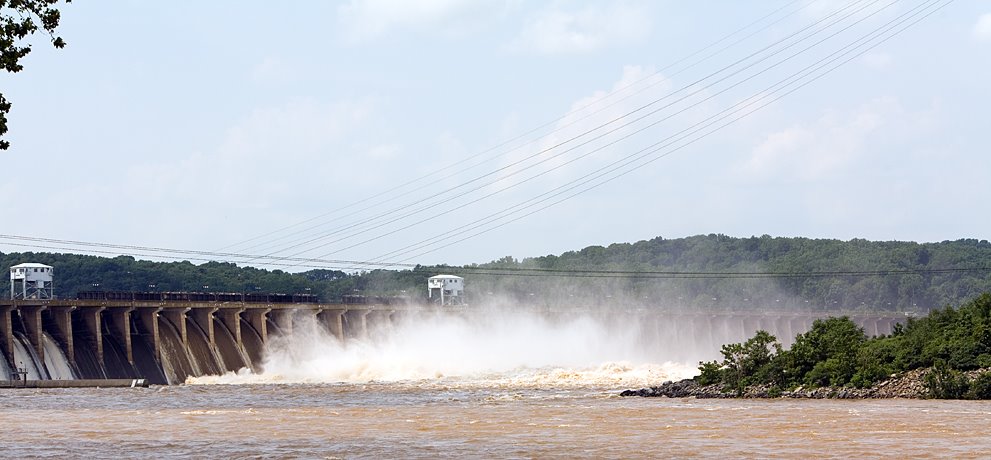
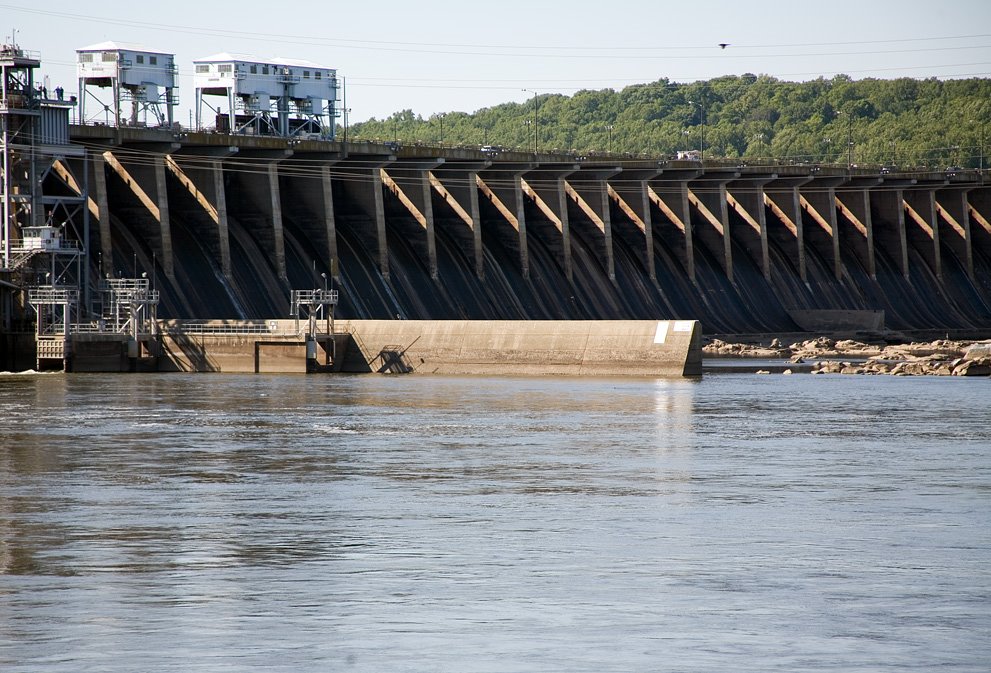
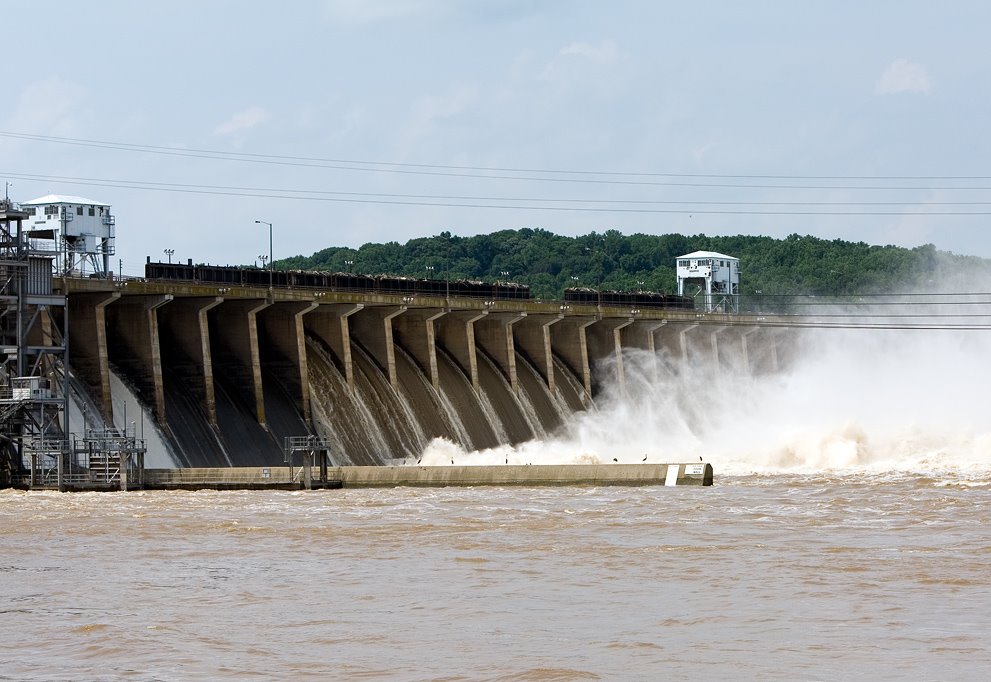


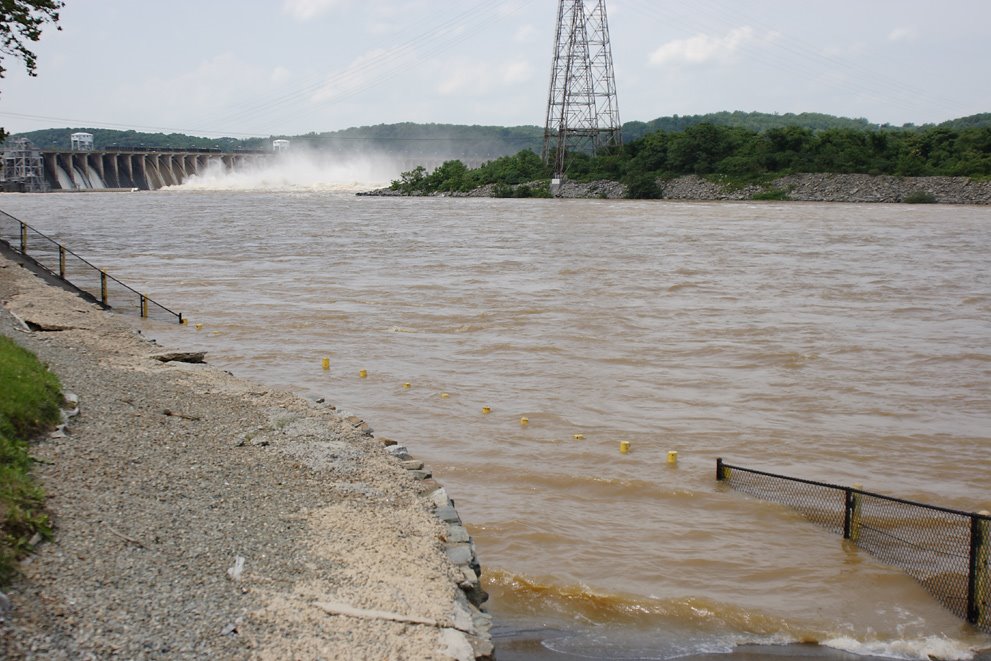
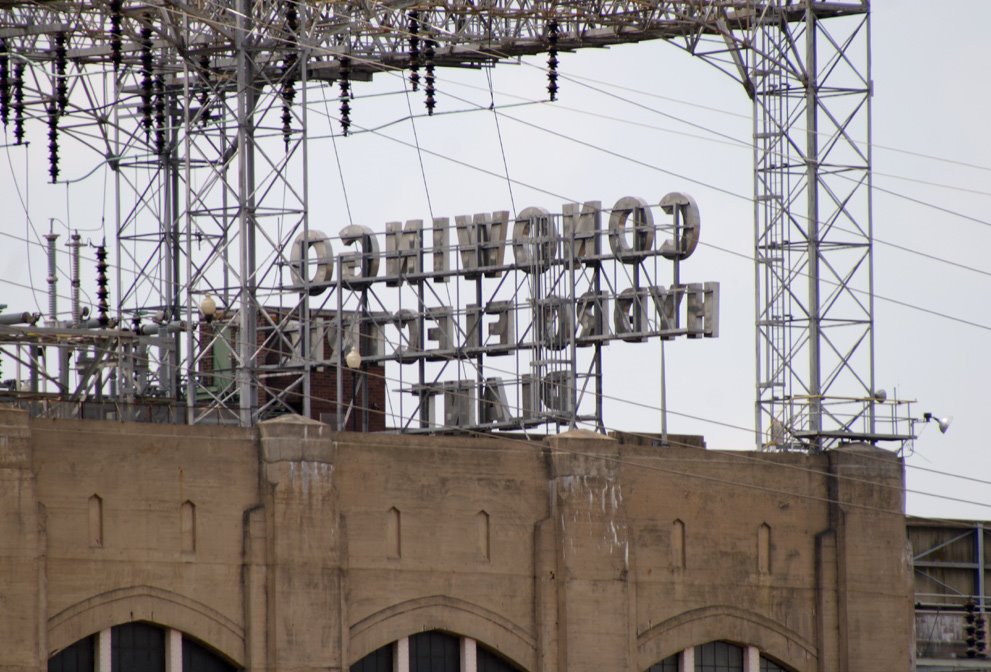

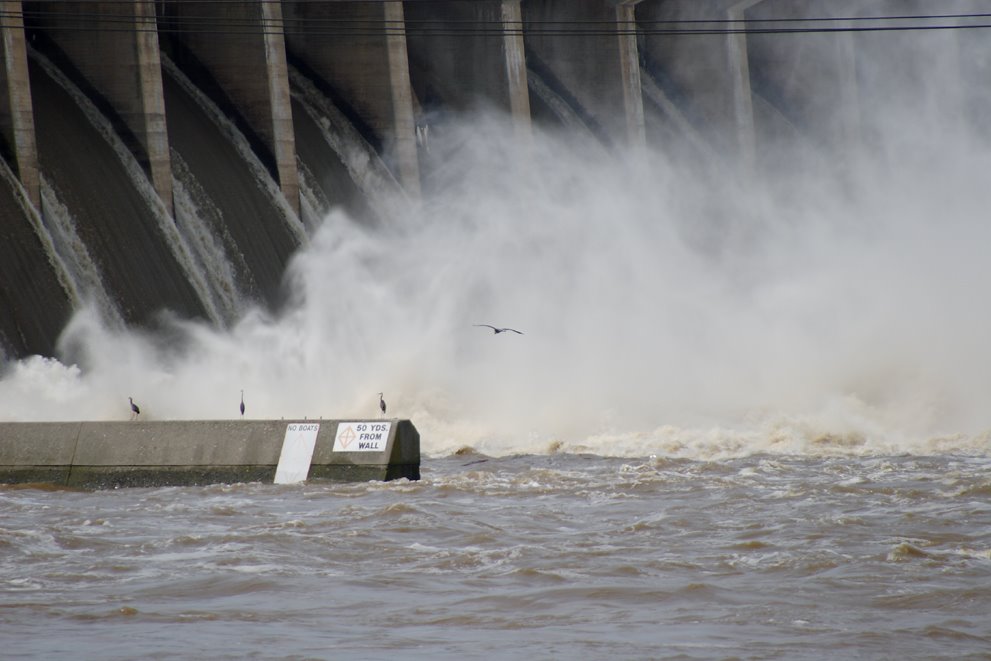


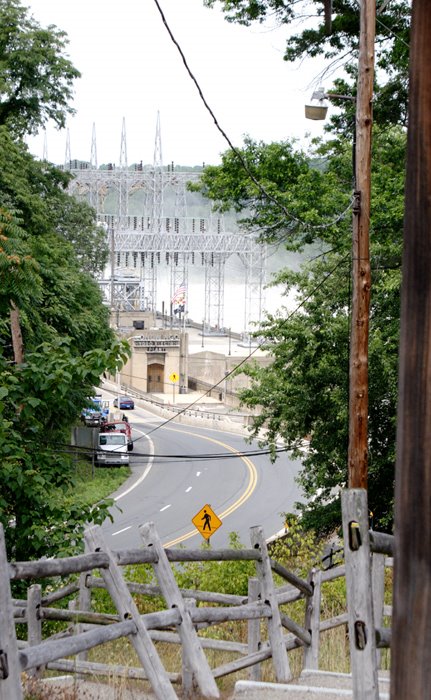
The Conowingo Dam's flooding again. I thought dams were supposed to control flooding? We took these pictures yesterday around three in the afternoon. It's supposed to get much worse over the next 24 hours. As usual, the town of Port Deposit will bear the brunt of it all. Two of the pictures show the dam under normal operating conditions, the rest show it with the floodgates open (more gates are expected to be opened over the next 24 hours). I doubt we'll be able to get back this afternoon for more pictures.
Latest from Port Deposit:
3:30 PM, Wednesday, 28th June 2006
The town has been advised by Conowingo Dam that it may be necessary to open up to 30 gates within the next 24 hours. 26 open gates constitutes a level 6 alert, requiring voluntary evacuation of the town. An emergency evacuation siren will be sounded. The evacuation will start on N. Main Street and proceed south, as necessary, through Town. Emergency personnel will do door-to-door search and provide advice.
An evacuation shelter located at Bainbridge Elementary School. A shuttle from the Town Hall at 64 N. Main St will be provided for those without transport. Evacuation by boat may be necessary in low lying levels of the Town. The Town will be closed to ALL incoming traffic.
The Conowingo Hydroelectric Station was built in 1928 and spans 4468 feet across the Susquehanna River. The dam is 104 feet high from the river bottom to the road (US 1) that crosses over the dam. Its eleven turbines can generate 548 megawatts of power. The dam features 53 floodgates.
Cameras: Canon EOS 5D & EOS 20D.
Jun 26, 2006
A Fair Weather Rebel
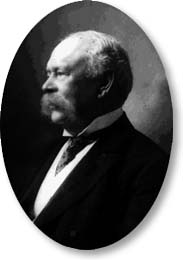 "This individual {Herman Stump} was an ardent advocate of the rebel cause in Harford County, Maryland, and was attached to a volunteer military association recruiting and getting under discipline there with a view to entering the rebel service. Apprehending arrest he fled in August, 1861, to Canada where he remained three months or more before his name was brought to the notice of the Department of State. His father and other friends then commenced importunities for some sort of safeguard for him to return home which continued till early in January, 1862, when the Secretary of War gave assurance to Stump that he would not be molested on his return home by any authority of the Government unless he should commit some offense thereafter which might make his arrest necessary. During the absence of Stump in Canada he divested himself of title to all property he previously held to guard against the danger of confiscation."*
It's interesting to note that a John Stump of Harford County got off scott free after being accused of selling grain to the British (a hanging offense) during the Revolutionary War. Could the ability to weasel out of things be genetic? Hmmm.
Anyway, Herman Stump (1837-1917) went into politics after the war and after a successful career in the state senate, he went on to Capital Hill where he championed renewal of the infamous Chinese Exclusion Act. Later he was appointed to serve as, of all things, Superintendent of the Office of Immigration.
*From "The OR."
Jun 25, 2006
Old House #8


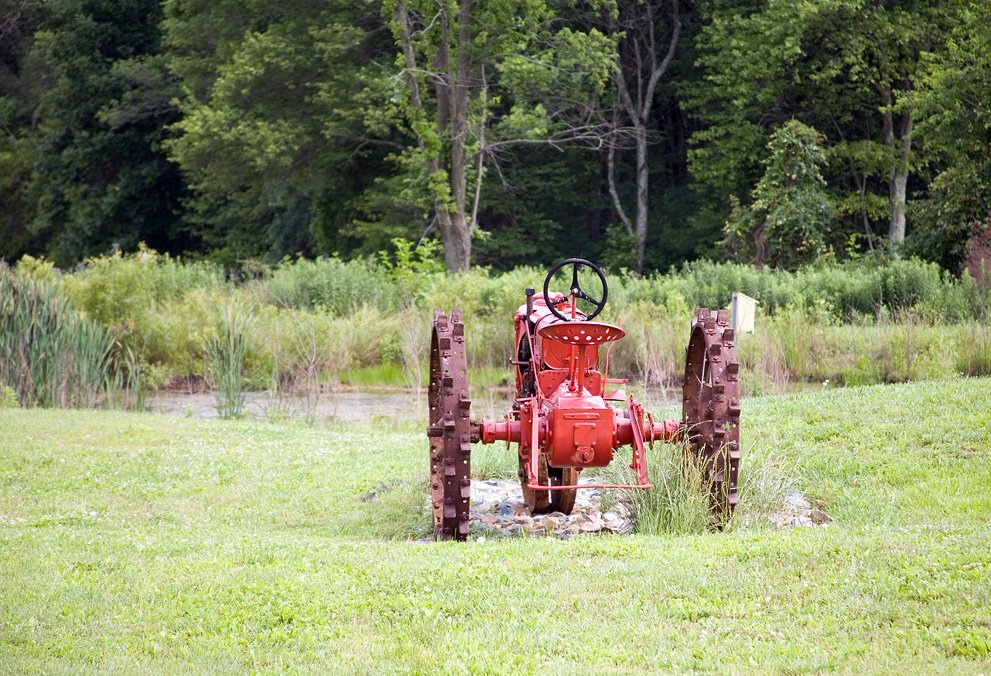
Telegraph Road, Harford County, Maryland
Camera: Canon EOS 5D with Canon EF 28-135mm f/3.5-5.6 IS USM lens.
Jun 24, 2006


Jun 23, 2006
Mitchell's Shoe Peg Corn

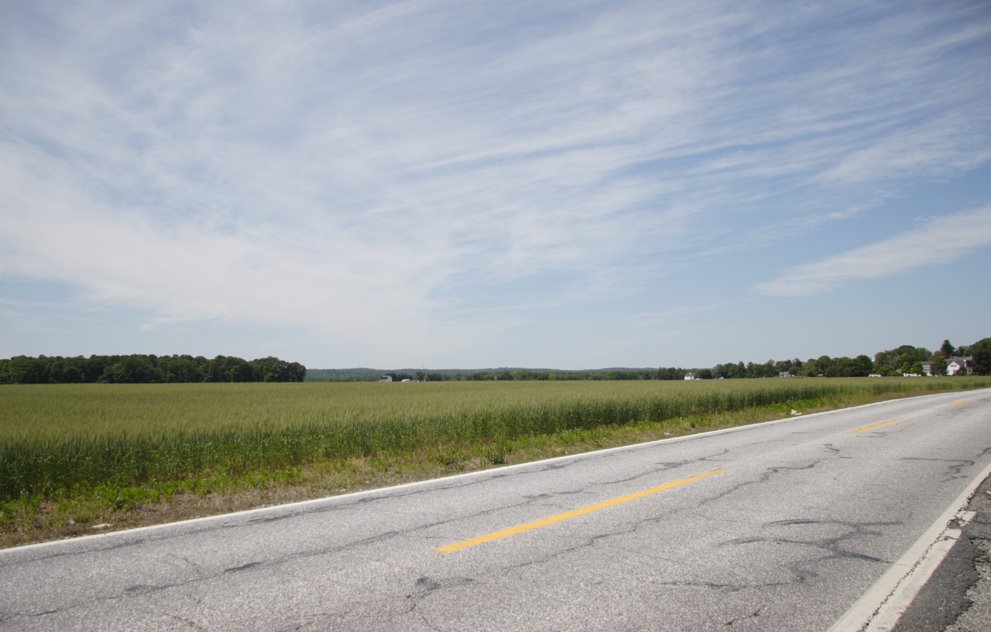

Once upon a time, around the turn of the 20th century, Harford County, Maryland led the nation in commercial canning. The industry centered around Perryman (aka Perrymansville) and Aberdeen. Numerous fortunes were made under various brands, but only one remains today: Mitchell's Shoe Peg Corn. And even that brand is now canned under the auspices of Hanover Foods of Hanover, Pennsylvania, though still quite tasty regardless. Like so much local history, a lot of the area was annexed by the federal government to build Edgewood Arsenal and Aberdeen Proving Ground. Indeed most of the county's earliest structures came under the care of the army which later reported that the historic buildings "blowed up real good." Sigh.
Yes Virginia, there were brick outhouses
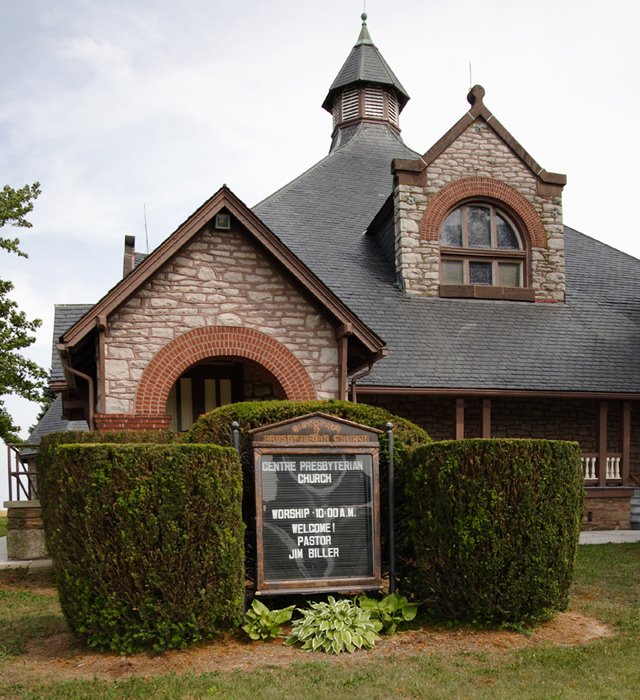
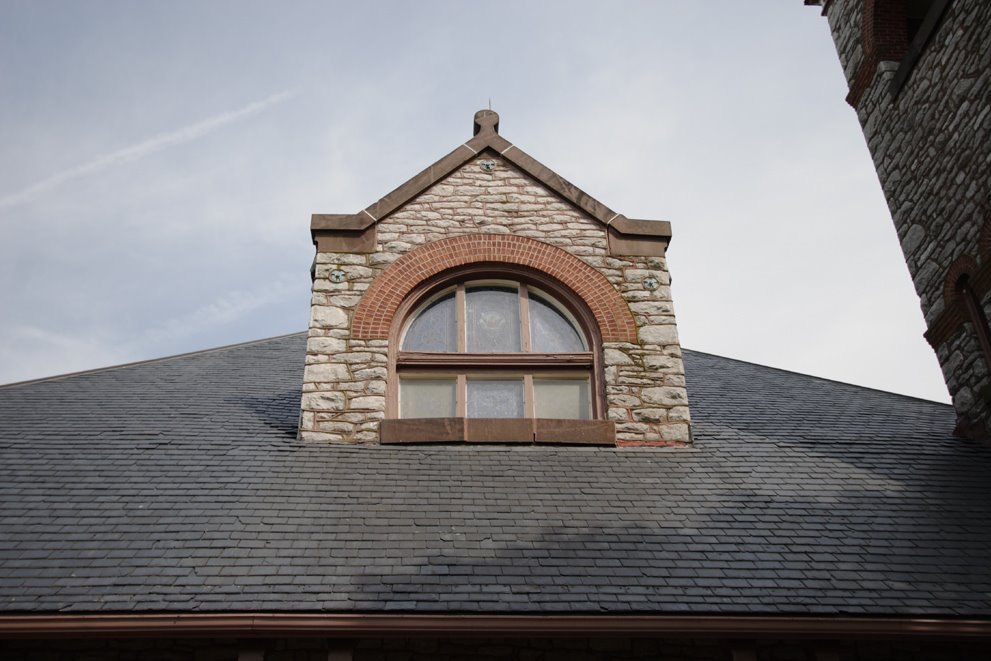
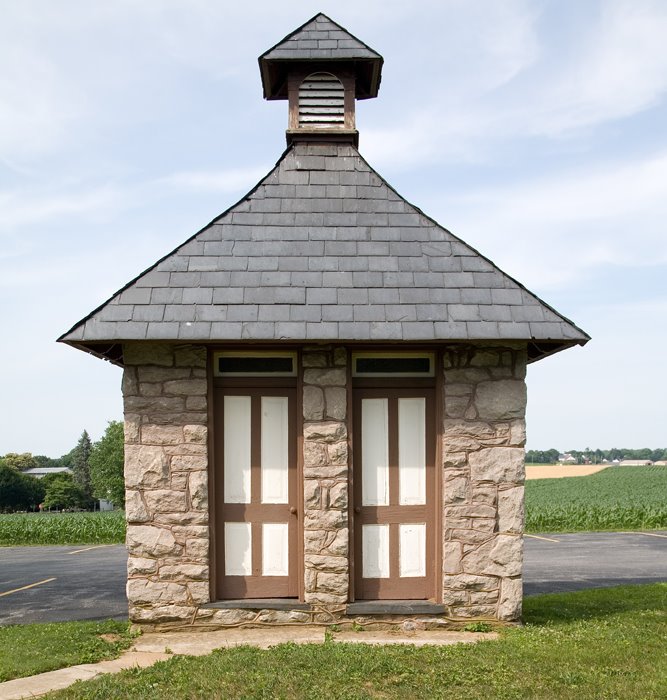 Stone too. Centre Presbyterian Church, New Park, Pennsylvania. Circa 1887
Camera: Canon EOS 5D with Canon EF 28-135mm f/3.5-5.6 IS USM lens.
Jun 22, 2006
Amos Mill
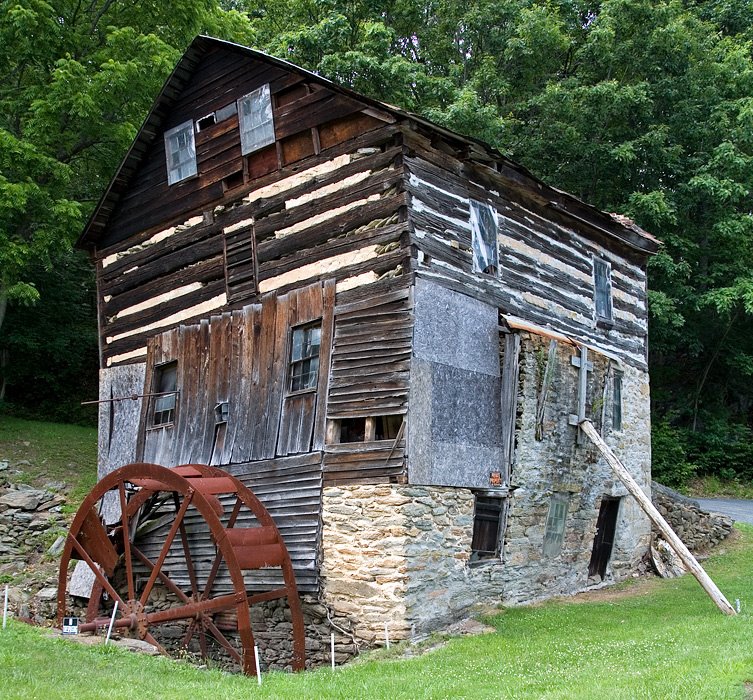
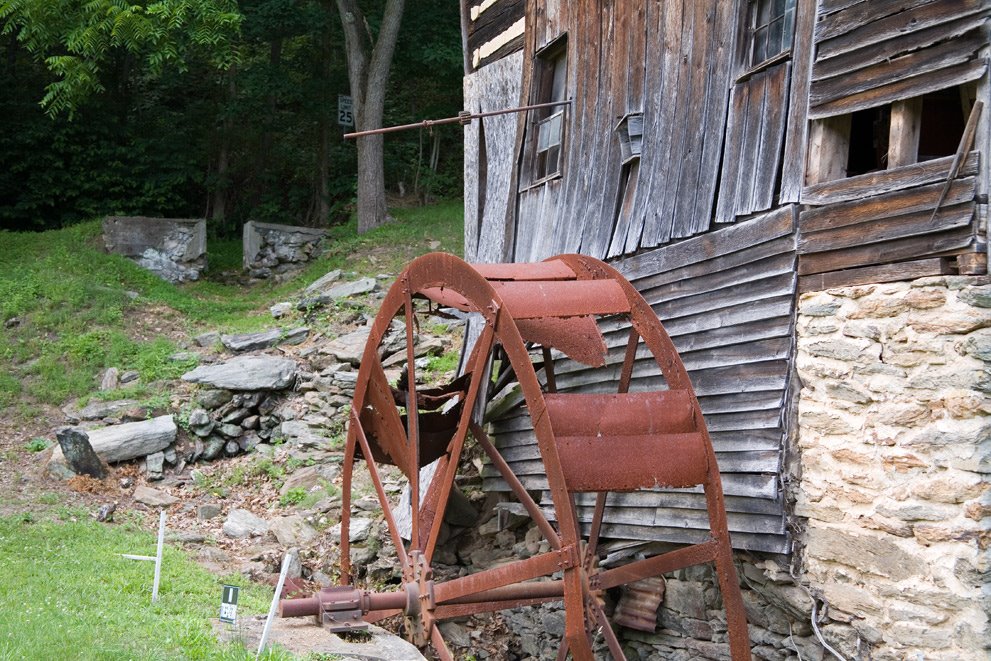


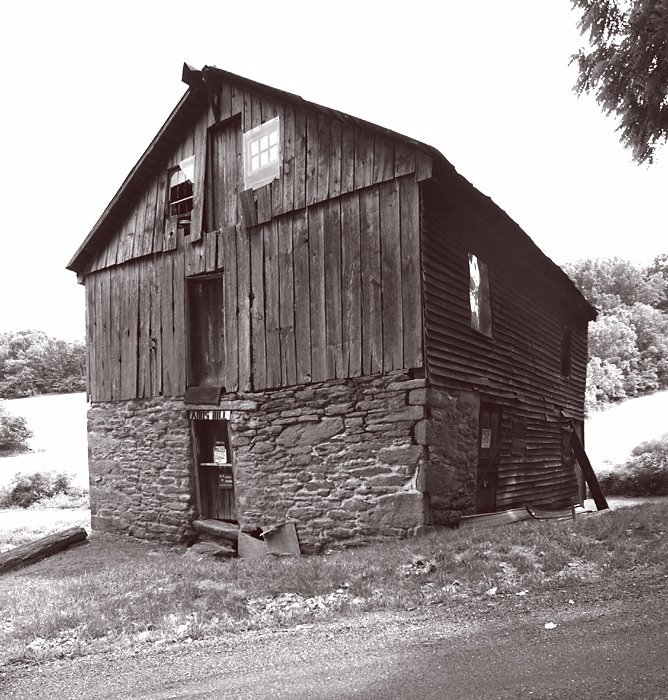

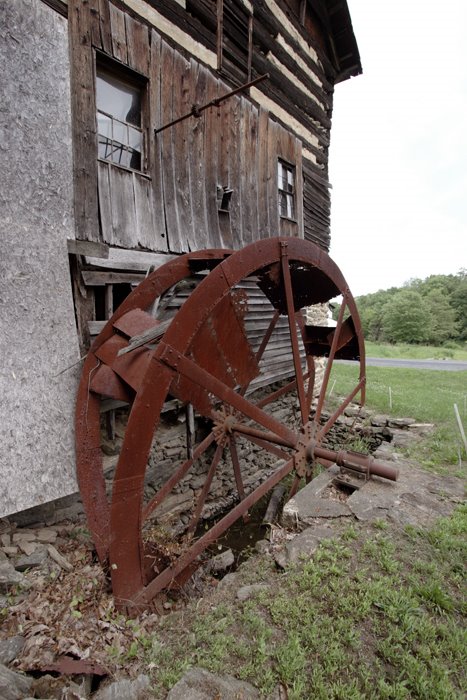
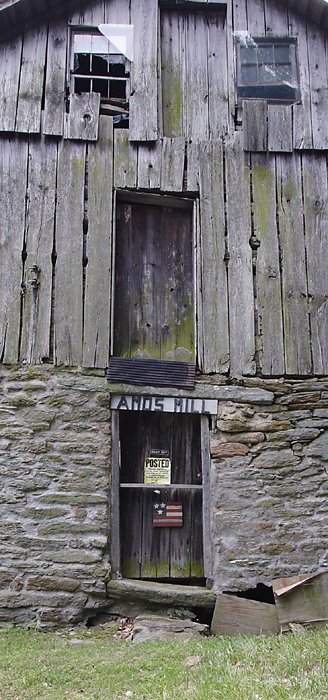
Christopher Weeks* called it "one of the most aggressively picturesque structures in Maryland," and we heartily agree. The mill sits on private property and is obviously in a dangerously dilapidated state, so mind your manners if you visit and stay a good distance from the building. It sits at an intersection and is easily viewed (and photographed), without having to get too close in.
* "An Architectural History of Harford County, Maryland" by Christopher Weeks
Cameras: Canon EOS 5D & Canon EOS 20D
Subscribe to:
Posts (Atom)