


 Posts
Posts


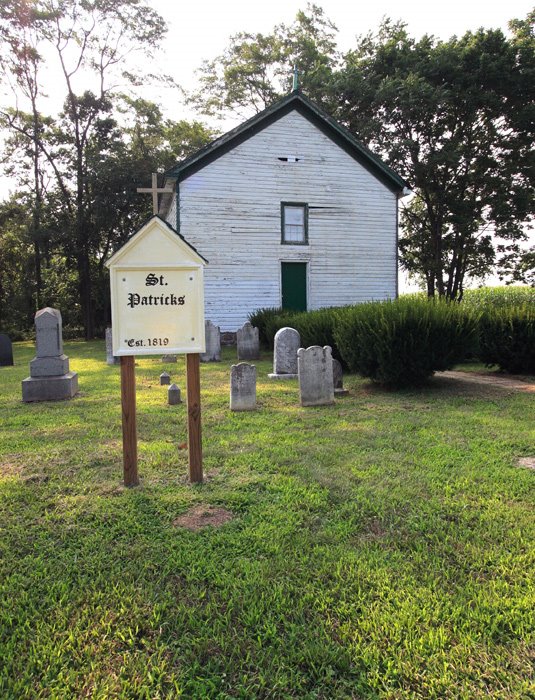
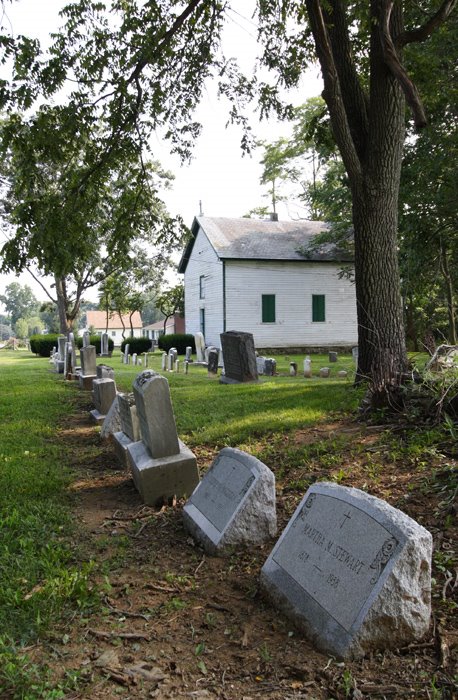
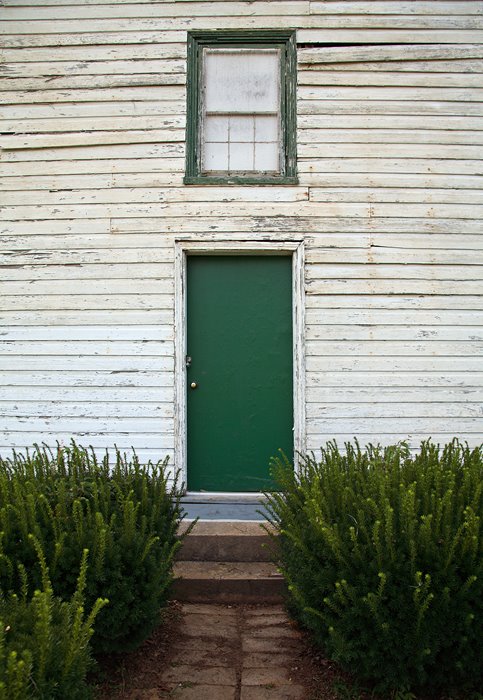
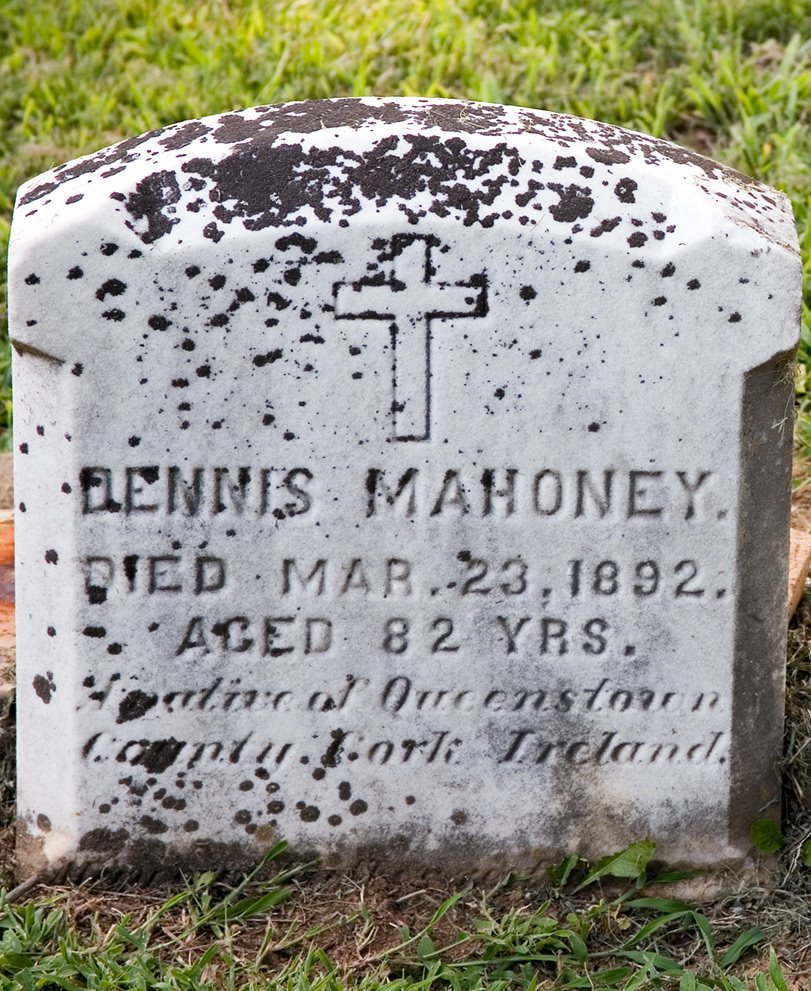
My interest in Cecil County's "Northwest Barrens," brought us once again to the area, with some pleasing photographic results, and a slightly better understanding of the area. The area reminds me of one of those places described in the book "Gone to Croatan: Origins of North American Dropout Culture," but somebody will need to do a lot more research to see if that is truly the case.
Anyway, today's pictures are from Saint Patrick's Church near Pilot Town, Maryland - well not the real Pilot, which is under water, but the part that remains. The church was built in 1819 by Irish immigrants, judging by the headstones.
Photos: Canon EOS 20D & 5D © 2006 Falmanac
Jul 29, 2006
Country Churches: Saint Patrick's

Jul 27, 2006
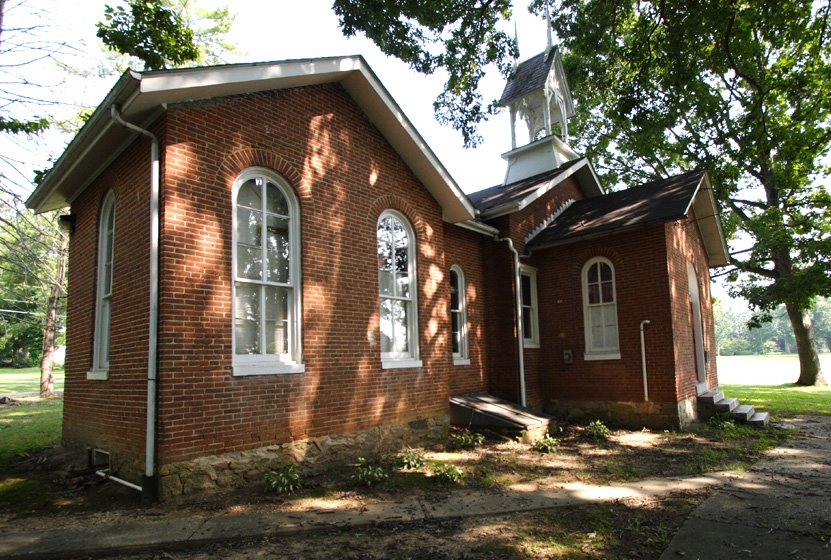


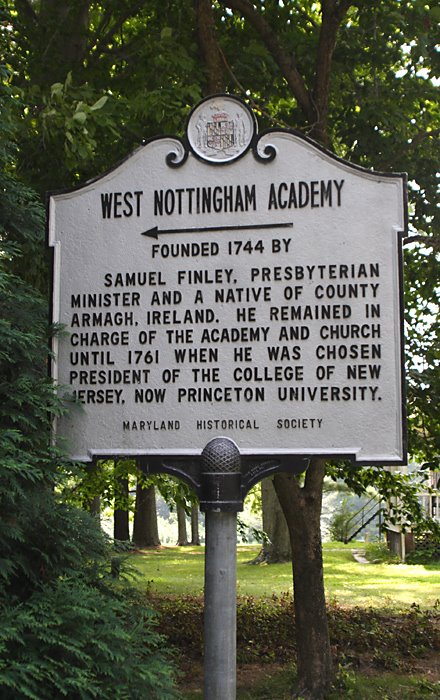
Jul 25, 2006
Old barn #1
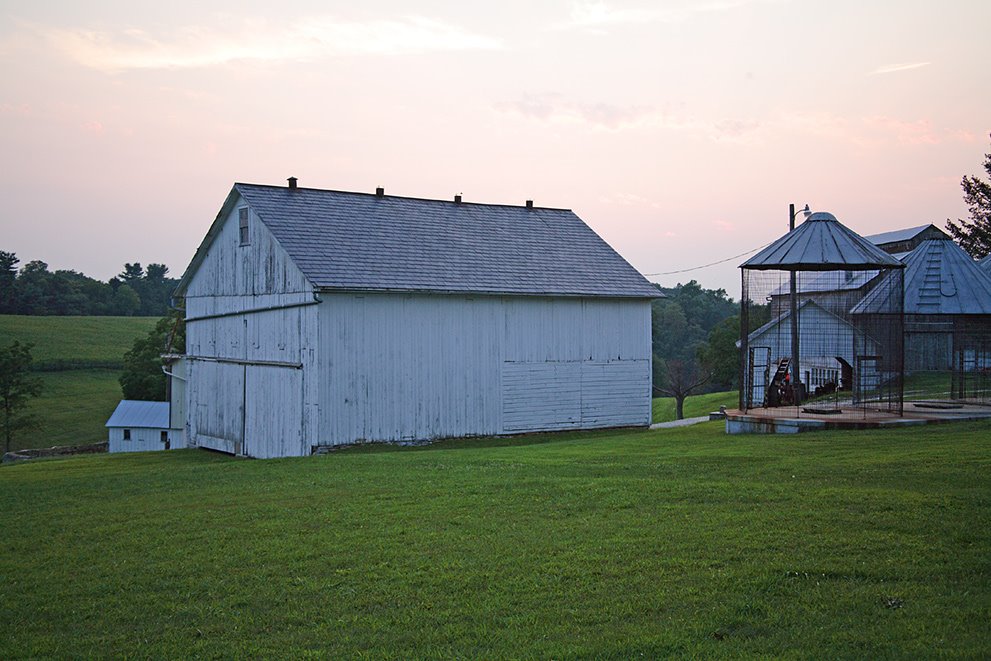
Conestoga, Pennsylvania. Canon EOS 5D with Canon EF 28-135mm f/3.5-5.6 IS USM lens.
© 2006 Falmanac
Jul 24, 2006

Jul 23, 2006
Mount Zoar Cemetery


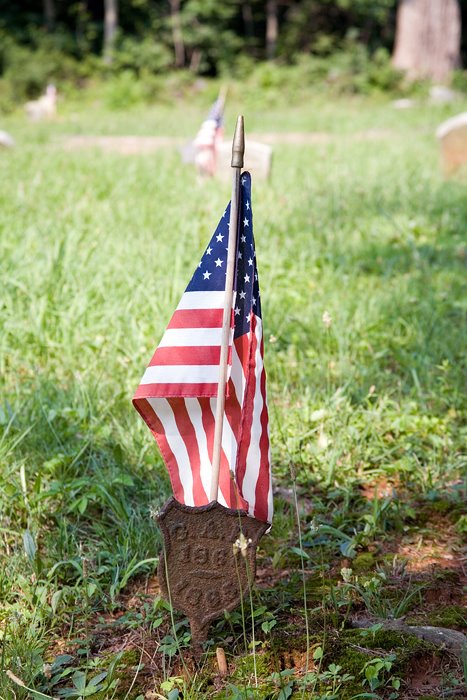
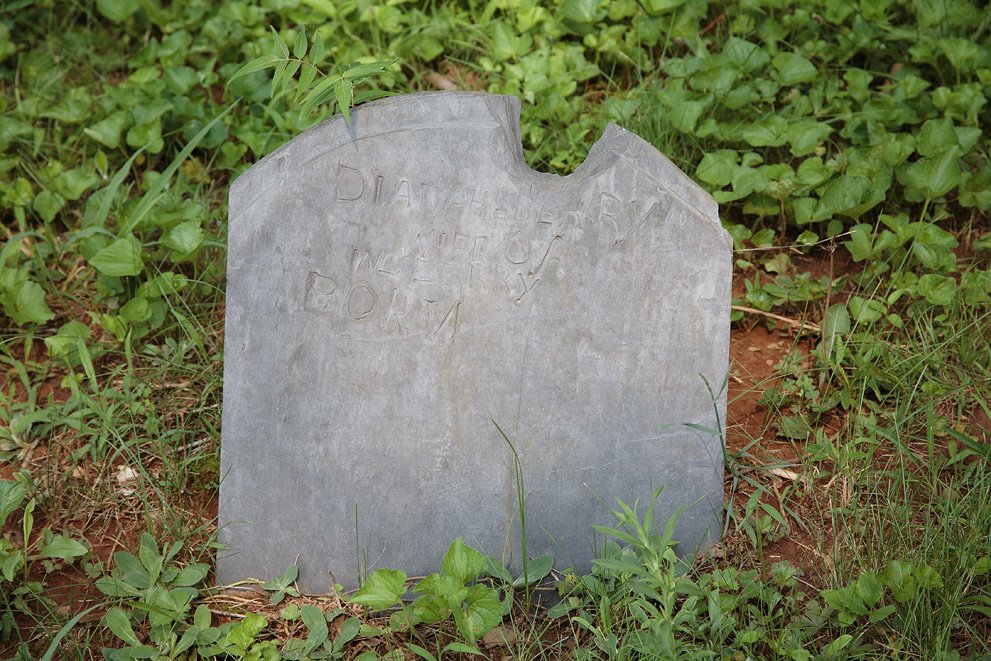
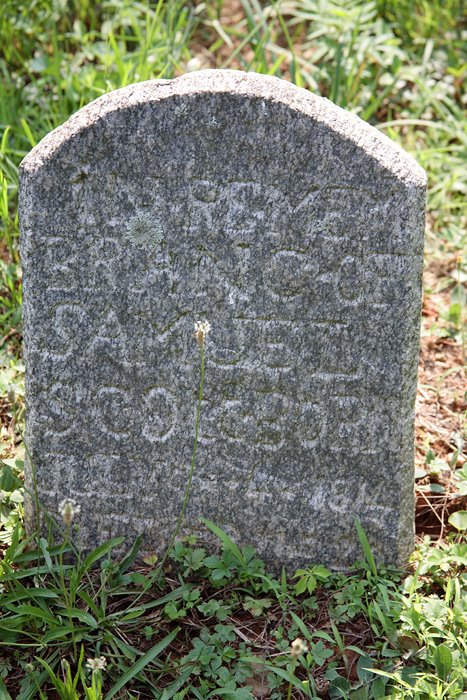
I have never seen so many Civil War veterans buried in a small northeastern Maryland graveyard as this. The fact that they are mostly from the USCI (United States Colored Infantry) makes it that much more unusual. Quite a few of Cecil County's freedmen must have enlisted in the Army. Portdeposit.org states " The Cecil Democrat reported that 25 African-American men enlisted at Port Deposit to fight in the War Between the States and they are credited toward Philadelphia's total in 1864." A walk through the cemetery confirms this, as the headstones show regiments that were formed in both Pennsylvania and Maryland. Amongst the stones, I counted the 3rd, 4th, 25th, 30th, & 43rd USCI regiments.
And curiously, two members of the 5th Massachusetts infantry, which wasn't a colored unit at all. The 5th was a hundred days unit that spent most of its time guarding Baltimore. How'd two men from the 5th end up buried in an AME churchyard? I couldn't find any evidence that these veterans were of African descent, but I couldn't find anything to say they weren't either. As for them ending up in Mount Zoar, the regiment's history (and the OR t00), says the unit was sent to monitor the 1864 elections on the Eastern Shore of Maryland. The unit was spread throughout the entire shore and perhaps these two fellows ended up in Cecil County and took a liking to the place. And yet, I found one of them, Lewis P Hopkins, listed as living in Worcester, Massachusetts in 1910, making his living as a "britannia-worker," whatever that is. Anyway, it's a puzzle that I can't solve and it bothers me to no end.
The USCT (United States Colored Troops) represented at Mount Zoar include some of the hardest fighting units of the branch. Several fighting at Chaffin's Farm, Virginia where over a dozen USCI members earned the Congressional Medal of Honor, some posthumously, including Albert Hilton of Havre De Grace, MD - just across the river from Mount Zoar. It was this engagement that finally proved the worth (No, I don't care how many times you saw "Glory") of the colored troops to the U.S. Army. Said General Butler, "I want to convince myself whether the negro troops will fight, and whether I can take, with the negroes, a redoubt that turned Hancock's corps on a former occasion," and that's just what he did at Chaffin's Farm.
After the war, there were several GAR Chapters devoted to the USCI and Cecil County even had it's own independent colored veterans organization for a time. There was also a colored GAR post in Columbia, PA, which was a short ride up the Susquehanna via the nearby Columbia and Port Deposit Railroad.
There are those who would have us believe that Cecil County was 100% Secesh - nothing could be further from the truth.
"Imagine the feelings of our people at the first sight of colored men in soldier's uniform! When the call was made general, many responded. When later on, a recruiting office was opened in Cecilton by Lieutenant Brown, some of our boys who had joined the army were selected to come, now as soldiers, to their own home, and induce others to enlist. Under "shoulder arms," they would march through the little village, "as proud as Lucifer" and without fear.
While Lieutenant Brown and his men remained, many volunteered. Some slaves, whose masters still held them in bondage, came to the recruiting office, enlisted and placed themselves under the protection of the flag. They were called "United States Colored Troops." - Levi Jenkins Coppin 1919
Photos: Canon EOS 5D with Canon EF 28-135mm f/3.5-5.6 IS USM lens.
© 2006 Falmanac
Jul 22, 2006
Country Churches: Mount Zoar AME
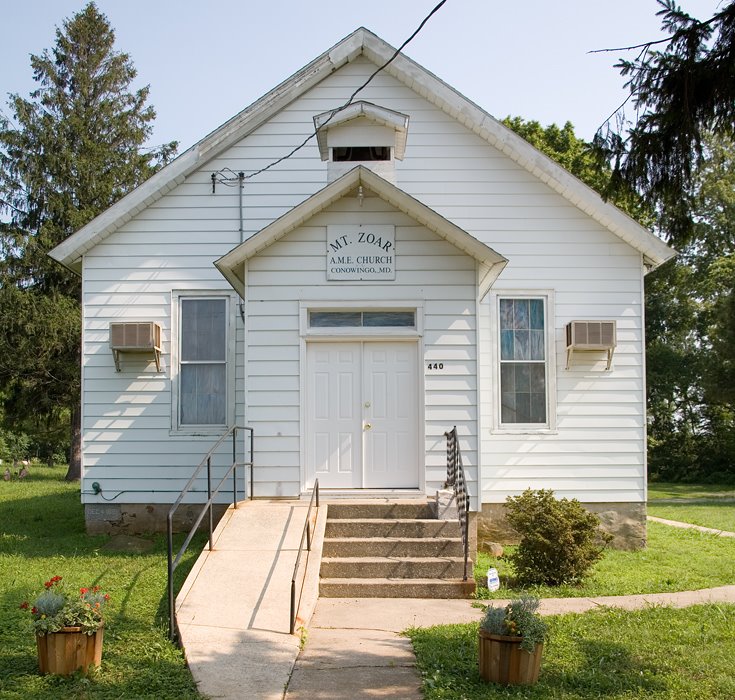
"African-American men began to vote in Cecil County in 1870, although most were segregated into certain sections of territory - usually the edge of town or isolated communities such as Cokesbury or Mt. Zoar - in the "Northwest Barrens*." - Erika L. Quesenbery 2003
"To the south, south-east and south-west of Brown's ford (in Lancaster County), beginning but little more than a mile away, lay thousands and thousands of acres of land, to which no one at that time possessed a title. The land was mostly grown up with pine and scrub-oak, or black jack, and in summer time was used as pasture land for the cattle of many small farmers who lived near. At such times it would be dotted over with small herds of cattle, one in each herd wearing a bell, the sound of which was well-known to the owner or his boys, who went out to hunt them if they did not return at the proper time. This they mostly did, and as the summer sun approached the western horizon you could see numerous small herds of cattle, each led by the "bell cow," wending their way quietly toward their homes. Here and there all through this wilderness stood the log hut of a negro, and sometimes of a white man, built of pine logs and covered with boards or slabs of the same material. Hard by was a small lot or clearing, fenced in and used for a garden. The occupants of these huts picked up a subsistence by working by the day for farmers in Lancaster, Chester and Cecil counties; and sometimes in winter by chopping wood, threshing with the flail, dressing flax and other pursuits of a similar character." - Ellwood Griest 1873
*Ironically, a lot of what was called "barrens" in Maryland was not, as the locals believed, poor farm land, but land that had been deforested by Indians over the centuries to provide grasslands for game. Thus, in some cases, the wasteland grudgingly sold to the freedmen may have been prime agricultural property. Go here for more info on the Maryland Barrens.
Camera: Canon EOS 5D with Canon EF 28-135mm f/3.5-5.6 IS USM lens.
© 2006 Falmanac
Jul 21, 2006
Dorsey Station


The Peach Bottom Railway dreamed big, aspiring to build a railroad that stretched from Baltimore to the coal fields of Broad Top, Pennsylvania. The company started construction on both sides of the Susquehanna in the 1870's hoping to bridge the river at Peach Bottom, PA, or perhaps I should say Peach Bottoms as there were two towns named Peach Bottom directly across the river from each other, one in York County and one in Lancaster County. There was only one problem, the company couldn't afford to bridge the wide, flood prone, Susquehanna. Thus the two lines went their separate ways, the line on the western side (York County) eventually becoming the Maryland & Pennsylvania Railroad {MA&PA}, and the eastern line (Lancaster County side), becoming the Lancaster Oxford & Southern Rialroad {LO&S}. Today's pictures are of the LO&S Station at Dorsey, which is a stone's throw from Peach Bottom, PA - on the Lancaster side. There isn't much left of the old LO&S, which finally went under during WW1 when wartime steel prices made it more profitable to scrap the railroad than to operate it!
Camera: Canon EOS 5D with Canon EF 28-135mm f/3.5-5.6 IS USM lens.
© 2006 Falmanac
Jul 20, 2006
River Corner Mennonite Church
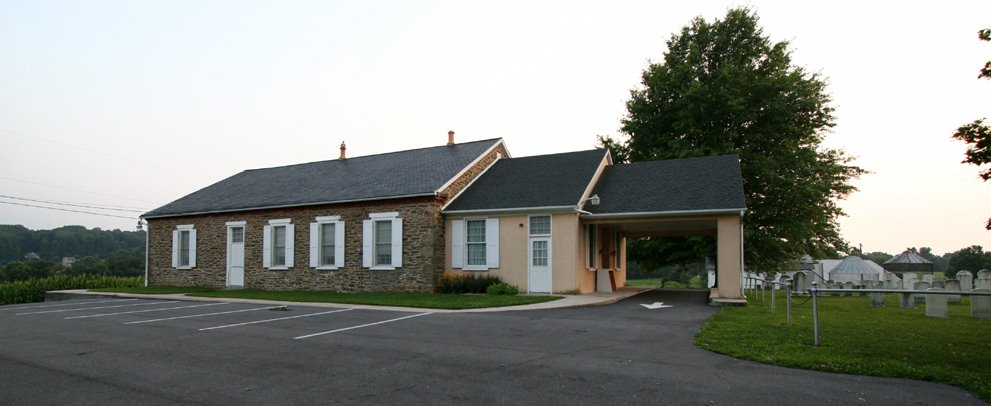
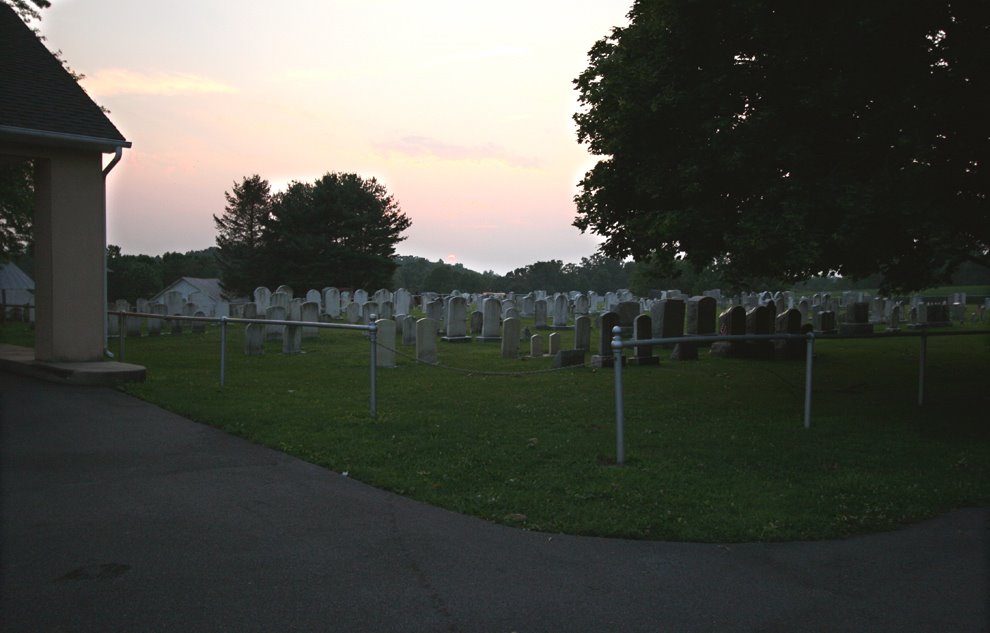
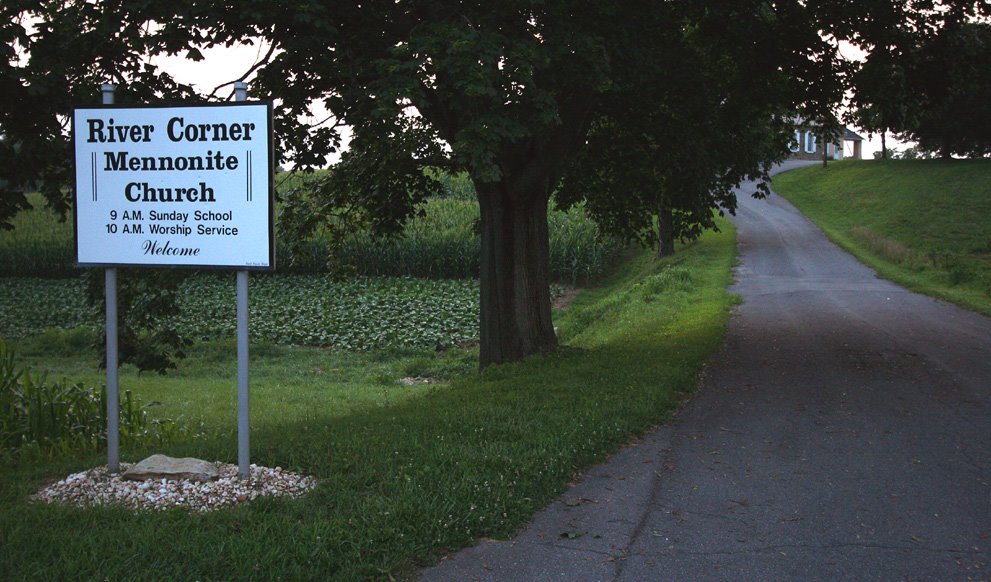
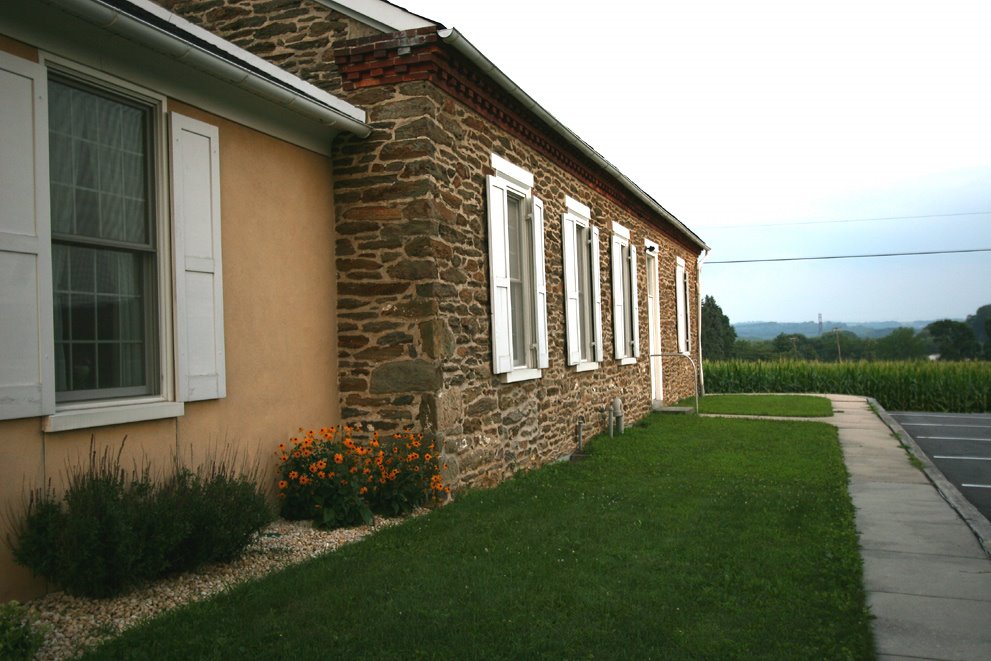

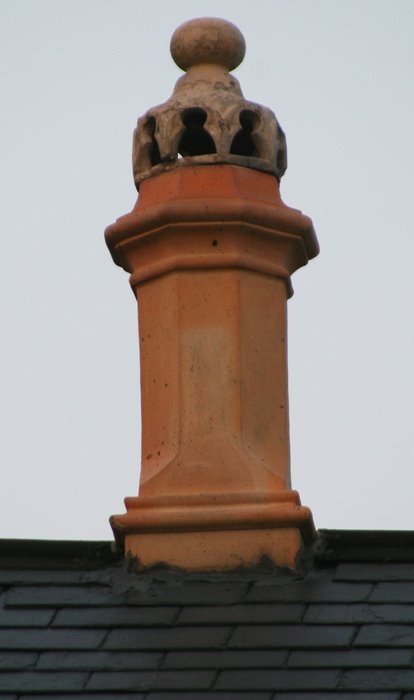 If you're ever rambling 'round the Susquehanna River in Lancaster County, PA, there's nothing like a good meal at the Conestoga Wagon Restaurant (always get the special). Afterwards, check out the area, it's historic, sometimes quirky, and relentlessly picturesque.
Photos: River Corner Mennonite Church, Conestoga, Pennsylvania. Canon EOS 20D © Kim Choate 2006
Jul 19, 2006
Gray Gables
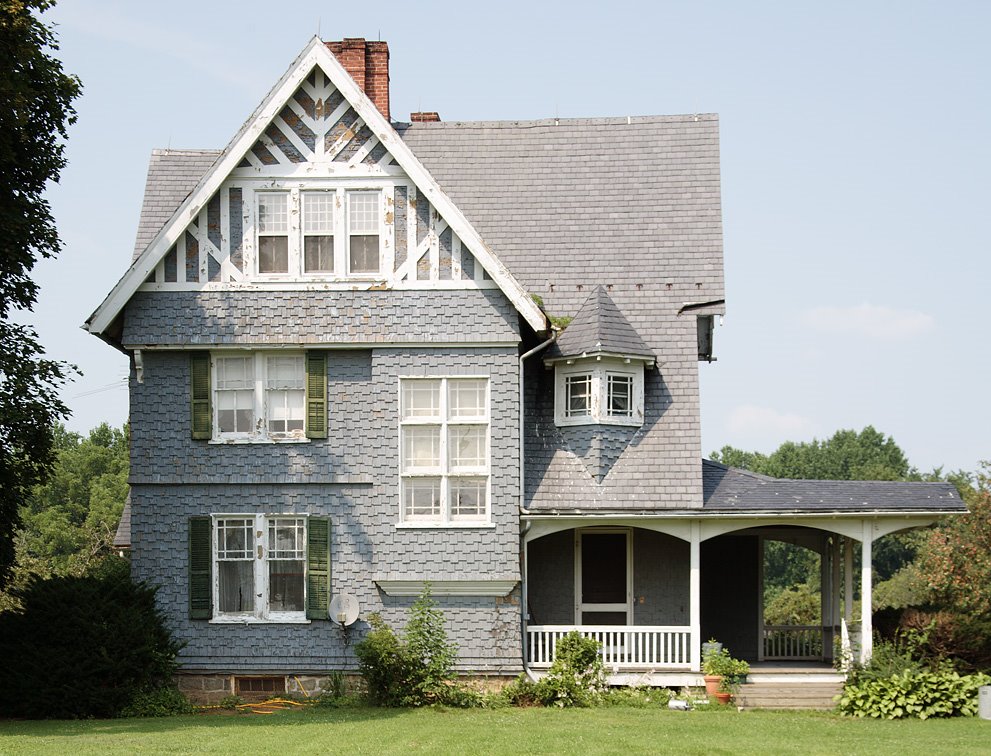 "Gray Gables is an 1880s shingle sided frame house of modest scale that is significant in Maryland as an important example of the Queen Anne style house that was popular in this century in the last quarter of the 19th century. The major factors that set Gray Gables apart from other examples in the state are the rural location of the house and the high level of integrity of its original character. In general, the Queen Anne house expressed in the full character found in Gray Gables was built in urban and suburban areas, rarely in rural settings as northeastern Harford County. ... The house also acquires significance as an intact example of the early work of Walter Cope (1860-1902), a principal in one of Philadelphia's most important and prestigious firms, Cope and Stewardson, at the turn of the 20th century. Although Cope and the firm after his death designed other buildings in the Darlington, Harford County area, Gray Gables is the most intact example of the houses." Read on.
Camera: Canon EOS 5D with Canon EF 28-135mm f/3.5-5.6 IS USM lens.
Jul 18, 2006
Canton, MD 1939

Today we think of the Canton area of Baltimore as a shipping center, or a place to buy a condo, but 67 years ago its most obvious feature was oil refineries. Baltimore imported oil for its own use and also exported refined petroleum products to the rest of the Atlantic coast. In 1939 Baltimore hosted four refineries and three receiving & blending stations. Canton's refineries have been shut down for decades, but noticeable traces remain, though they're rapidly disappearing. (As always, you can click on the picture above to see a larger version.)
Jul 17, 2006
Berkley (Hosanna) School
 "Berkley School is one of four structures erected in Harford County in the years immediately following the Civil War for the purpose of educating freed slaves. Of the four structures, two were built by a public source, the Federal agency commonly called the Freedmens' Bureau, the McComas Institute and the Green Spring School. Two, however, were built by private sources, Berkley School and Anderson Institute in Havre de Grace. Only McComas Institute and the Berkley School still stand. The Berkley School was built by five black men acting as Trustees in 1868 largely because efforts of the Freedmans' Bureau proved ineffective in this part of Maryland and stands as a rare, early instance of black-initiated and black-run educational efforts in the former slave-owning areas of the nation. The men originally put up a two-story building. The second story was for the just-established Hosanna Church and was also used for meetings by various black fraternal orders and lodges. It is important to note that the schoolroom was the main focus of the enterprise here, and the schoolroom appears to look much as it did when first opened in 1868. Berkley School was used as a school for blacks until 1945 when the school ceased operation." Read on.
Jul 16, 2006
Peach Picking Time
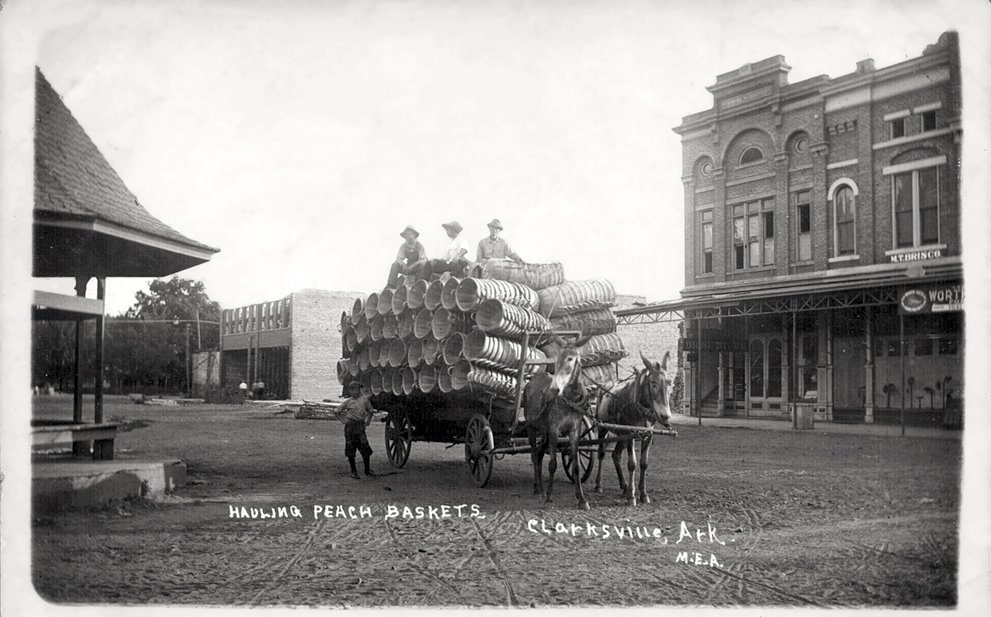 This wasn't any Sunday picnic peach picking operation, this was work. By the time these pictures had been taken, around 1905, the canning industry had been long established and well organized. The photograph above shows pickers sitting atop a wagon packed with over a thousand bushel baskets. Below we see field workers, both men & women, sorting through the day's harvest. Though these pictures were taken in Clarksville, Arkansas, the scene would have been repeated all over the nation, and have been especially familiar to those in the Mid-Atlantic states.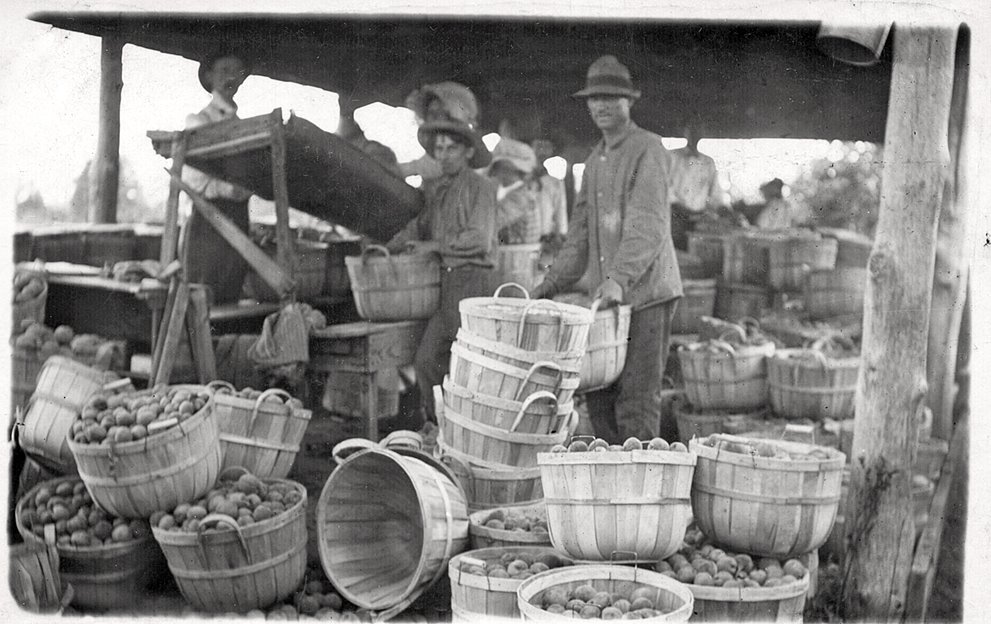
Jul 15, 2006
Country Churches: Saint Alban's Anglican
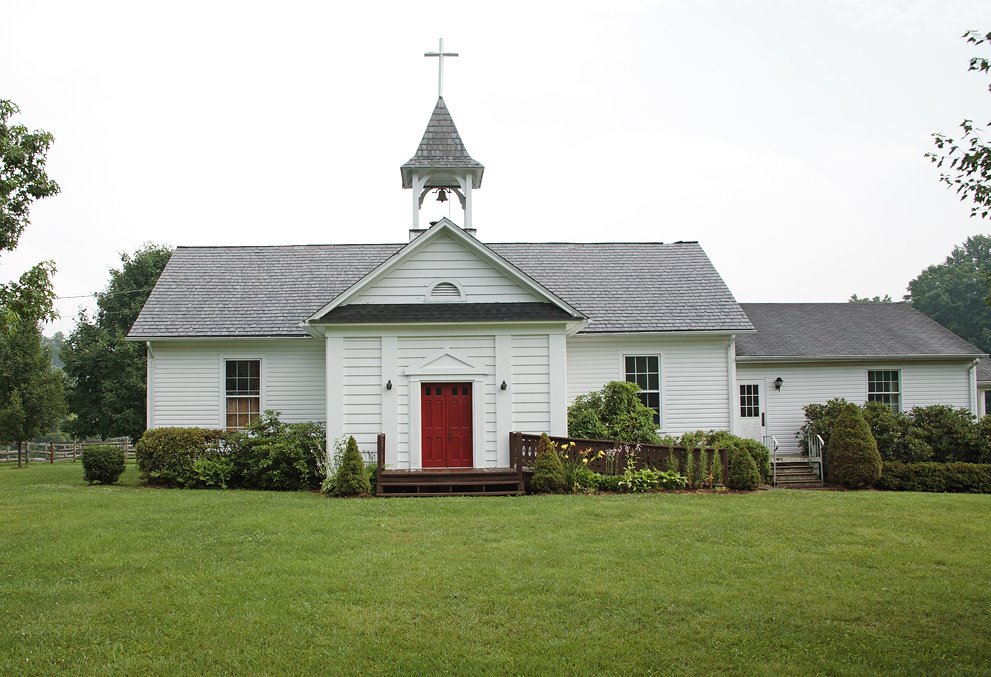
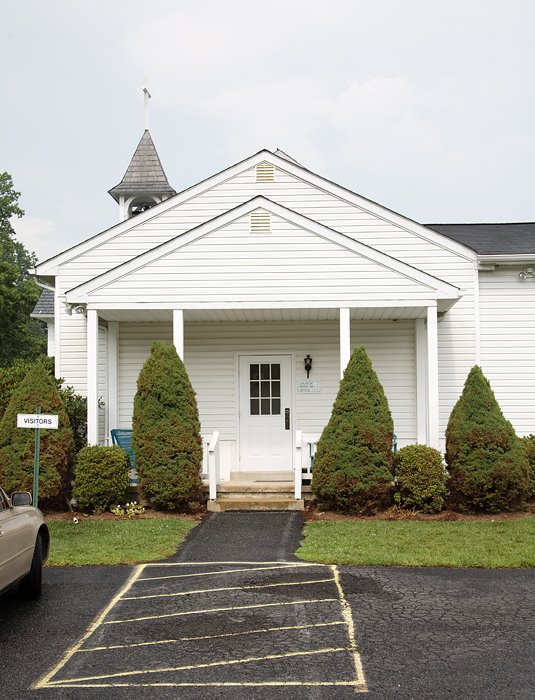

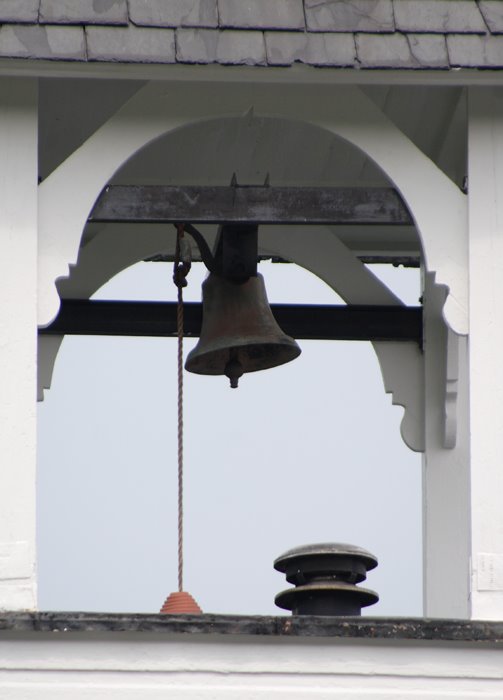
Will it ever stop raining?
Photos: Saint Alban's, Joppa, MD. Canon EOS 5D & 20D
© 2006 Falmamac
Jul 14, 2006
Jericho Covered Bridge

As long as the Jericho Covered bridge still stands, Harford County will think of itself as rural. No matter the 200,000+ residents, HARCO is rural. Right? Right. The bridge was completed in 1865 and features a Burr truss. It was listed in the National Register of Historic Places in 1978. More info here.
Photo: Canon EOS 20D © Kim Choate 2006
Jul 13, 2006
Graystone Lodge
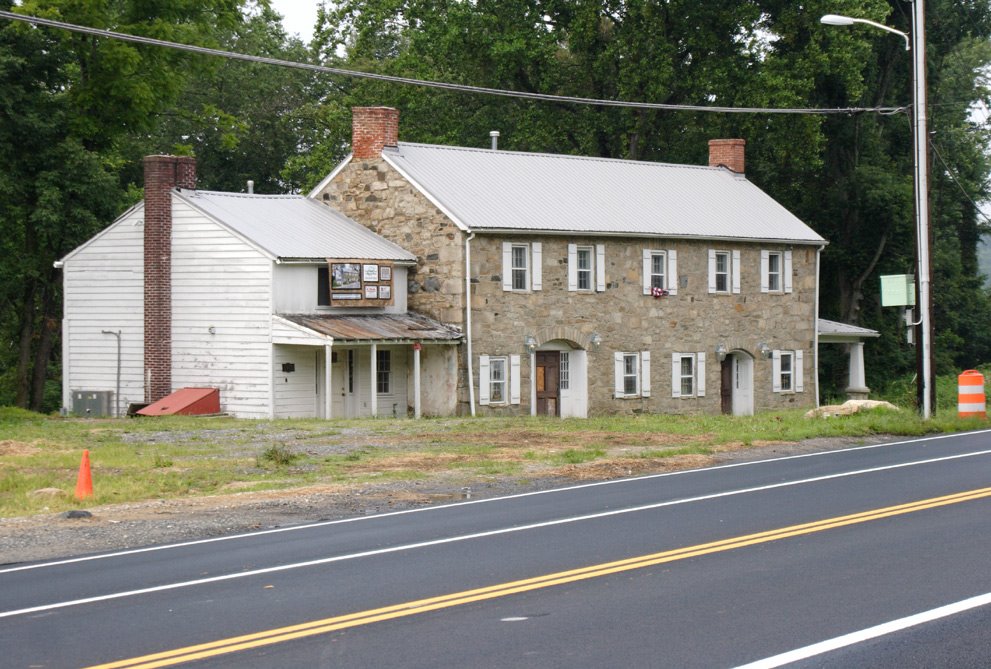
"The solid stone building, which dates to 1780, probably began as a carriage house in the post-Revolutionary War era. From stories the Bavetts have pieced together and artifacts they have found, the lodge, vacant for the past three decades, has also seen life as an inn, an oyster house and probably a short-lived speakeasy." Read on.
Photo: Graystone Lodge (U.S. 1 & Old Joppa Road) Canon EOS 20D © Kim Choate 2006
Subscribe to:
Posts (Atom)