


 Posts
Posts


From today's Baltimore Sun:
Historic black school to be moved, rehabbed
With trucks roaring past the rickety, two-story clapboard building about six feet from busy Route 7 in eastern Baltimore County, Robert Wells recalled that at least twice in recent years cars have slammed into the historic schoolhouse. Wells said he and other members of the Union of Brothers and Sisters Fords Asbury Lodge #1 -- a benevolent association founded in 1872 to help freed slaves get settled -- grew so wary of the traffic whizzing by that they stopped meeting there three years ago when a road widening gobbled up several feet of the school's front lawn.
"I wanted more than the wall and a few feet between me and the road," said Wells, lodge vice president and a member for more than a decade. Yesterday, state and local officials stood on an adjacent half-acre parcel that a local developer has donated to announce $125,000 in state funding to move the historic building to the lot and pave a parking area for the lodge. Read on.
Also in the article is this passage: "On the first floor, a narrow closet door just beyond the still-working kerosene heater leads to a secret doorway that opens to a crawl space where former slaves who were still indentured were given shelter, lodge members said."
The passage marks a little known and shameful episode in Maryland History when former Maryland slave-holders manipulated the state's legal system to enslave black children after emancipation. I first read about the practice in Fields' excellent Slavery and Freedom on the Middle Ground.
Dec 13, 2006
Some good preservation news (for a change)


Scott's Old Fields
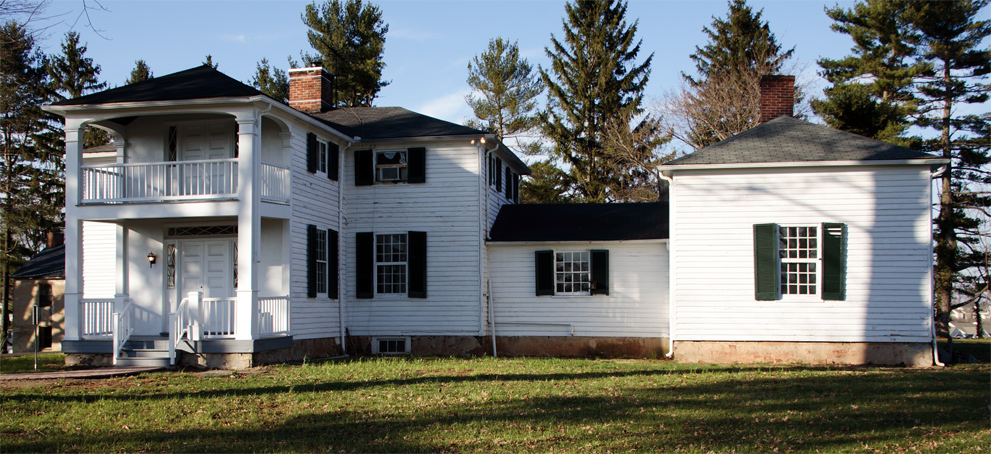
Scott's Old Fields was once the property of the Scott family and is now the offices of Bel Air Memorial Gardens. Aquila Scott, who founded the town of Bel Air, Maryland, was the original owner. His grandson Otho Scott, a prominent Harford County attorney, built the large frame house (pictured) in the 1820's. During the 1870's it was a girl's school.

Dec 12, 2006
What is that?
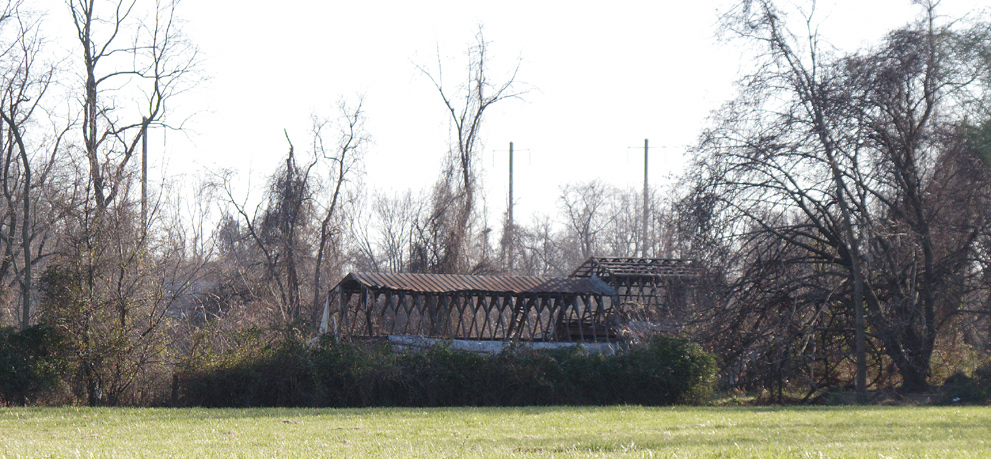
While taking pictures of Poplar Hill in Aberdeen (along Route 7, across from Walmart), Maryland, we noticed the structure pictured above. I guess we could have walked over to it, but we don't like tresspassing, especially on land that may be owned by Amtrak, or worse, the DOD. And after all, that's what telephoto lenses are for. Still, I'd sure like to know more about it. We figure it's probably one of three things:
1. An old produce packing shed. The open structure and close proximity to the railroad favor this theory.
2. An old greenhouse.
3. An old barn that had its roof canabilised for other purposes.
Anybody know fer sure?
Photo by Kim Choate ©2006
Envoys to remember American who was ‘heartbeat’ of French Resistance
BALTIMORE, MD - In 1942, the Gestapo circulated posters offering a reward for the capture of "the woman with a limp. She is the most dangerous of all Allied spies and we must find and destroy her."
The dangerous woman was Virginia Hall, a Baltimore native working in France for British intelligence, and the limp was the result of an artificial leg. Her left leg had been amputated below the knee about a decade earlier after she stumbled and blasted her foot with a shotgun while hunting in Turkey. Read on.
Dec 11, 2006
To coin a phrase
Car rental: $800.00
Motels: $900.00
Driving an old woman 4,000 miles to "see the old homestead, one last time:" Priceless.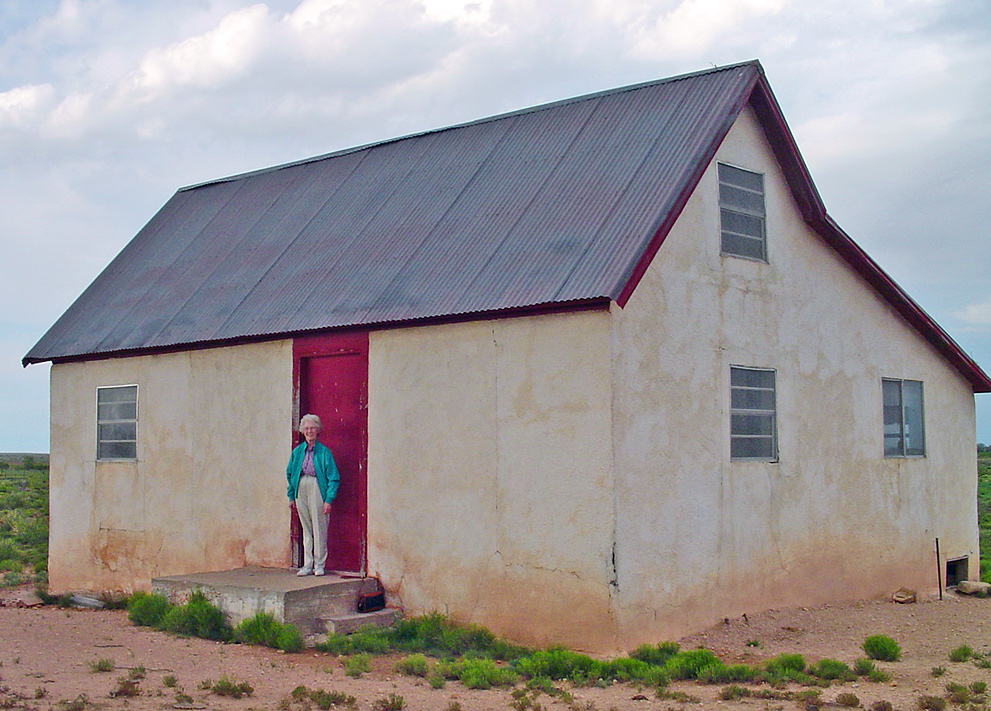
Dec 10, 2006
"Patriotism is the last refuge of a scoundrel" - Samuel Johnson
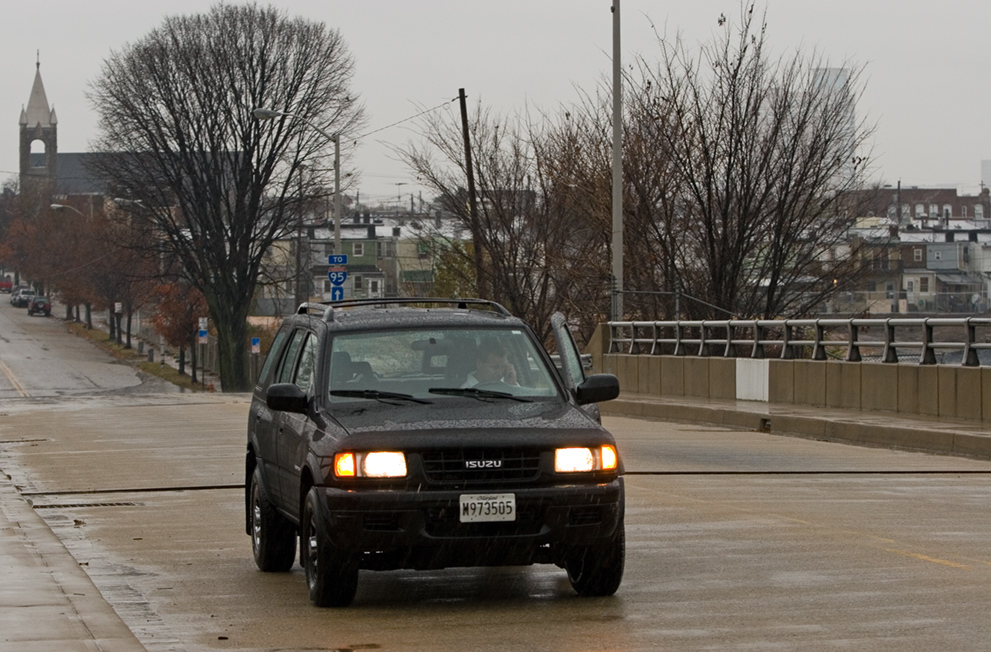
Most Americans aren't affected by things like the Patriot Act, but I am. Seems like every time I take my camera outdoors, somebody's trying to push me around, using 911 as their excuse. The fellow pictured above, is calling the police on me after I refused to stop taking pictures of a railroad yard from a public sidewalk. It is perfectly legal to take pictures of railroad yards from public sidewalks, but that didn't stop him from "turning me in."
It seems to me, that if they wanted to do this war on terror right, they'd have explained things to the public a little better. And perhaps they could have reined in the vigilante types a little better as well. Nevertheless, I continue to take pictures. To do otherwise would be to let the terrorists win, and there's all kinds of terrorists in this world - some of them live right next door. Scoundrels.
Dec 9, 2006
Tanks

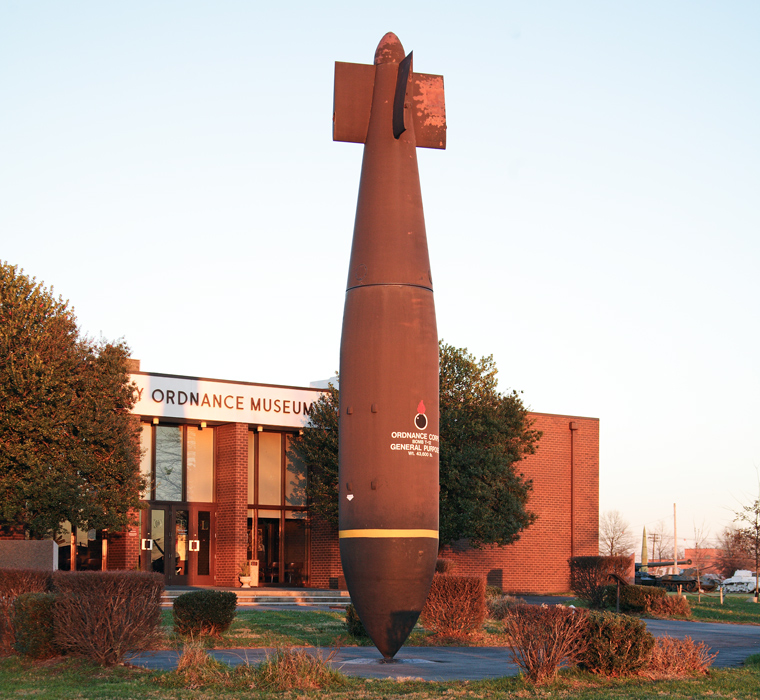

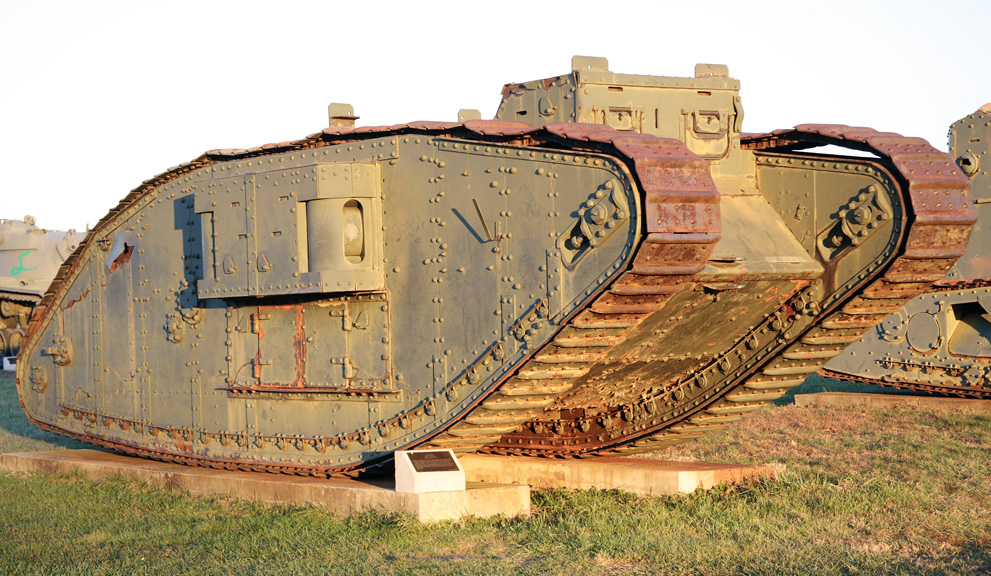
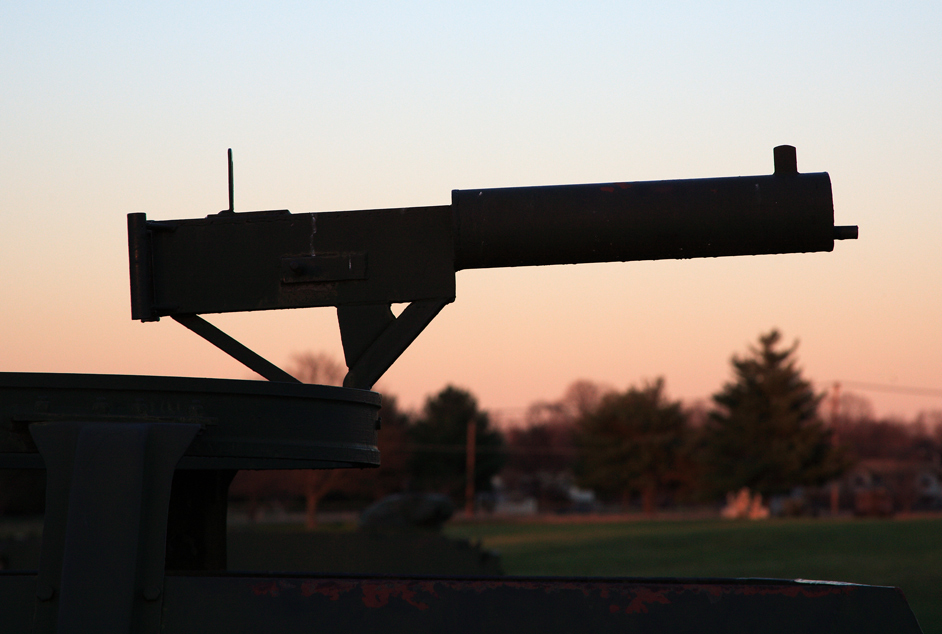

The most popular part of the ordnance museum is the backyard. There you'll find tanks and guns spanning the past hundred years and with it, the lion's share of 20th century history. Are these our greatest achievements? Is this what we humans are all about? We don't like to say it too loudly, but yes, in large part, it is. And maybe that's why the ordnance museum isn't on the mall in Washington D.C., but tucked away in a small town, on a military base, where you have to have your car searched before you can enter.
I enjoyed my visit to the museum, and I do know that war is the way of the world and that we must defend ourselves, but when you see all that old hardware in one place, it really makes you wonder. And isn't that what museums are for?
Dec 8, 2006
The deadliest gun that never was
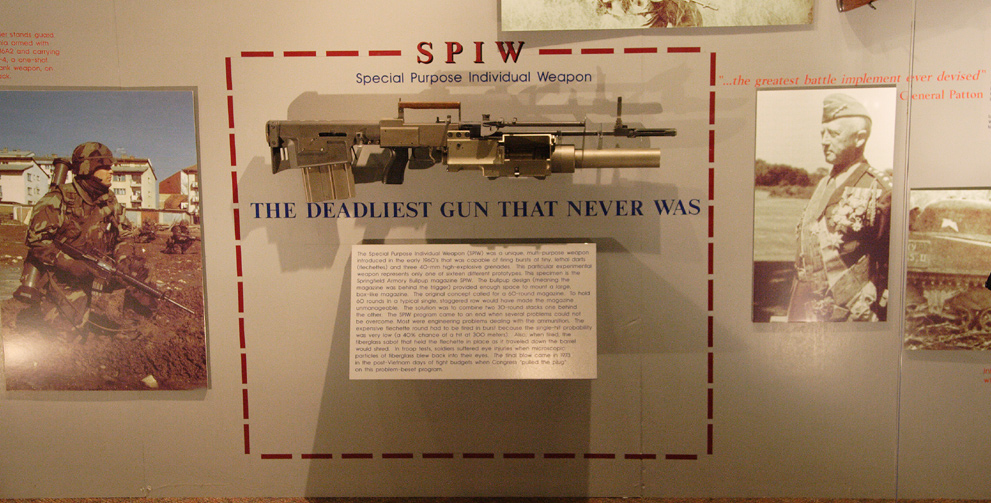
The sign reads: "The Special Purpose Individual Weapon (SPIW) was a unique, multi-purpose weapon introduced in the early 1960's that was capable of firing bursts of tiny, lethal darts (flechettes) and three 40-mm high-explosive grenades. This particular experimental weapon represents only one of sixteen different prototypes. This specimen is the Springfield Armory Bullpup magazine SPIW. The bullpup design (meaning the magazine was behind the trigger) provided enough space to mount large, box-like magazine. The original concept called for a 60-round magazine. To hold 60 rounds in a typical single, staggered row would have made the magazine unmanageable. The solution was to combine two 30-round stacks one behind the other. The SPIW program came to an end when several problems could not be overcome. Most were engineering problems dealing with the ammunition. The expensive flachette round had to be fired in burst because the single-hit probability was very low (a 40% chance of a hit at 300 meters). Also, when fired, the fiberglass sabot that held the flechette in place as it traveled down the barrel would shred. In troops tests, soldiers suffered eye injuries when microscopic particles of the fiberglass blew back into their eyes. The final blow came in 1973 in the post-Vietnam days of tight budgets when Congress "pulled the plug" on this problem-beset program."
U.S. Army Ordnance Museum at Aberdeen Proving Ground in Aberdeen, Maryland. Photo by Kim Choate ©2006
Dec 7, 2006
Nukezooka
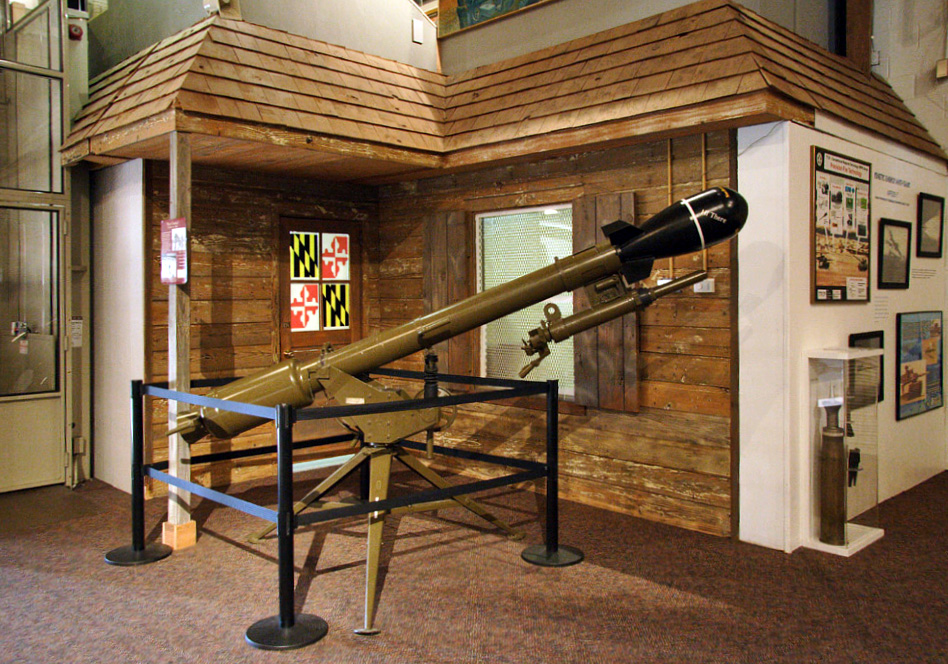
"Davy Crockett was the smallest and lightest nuclear weapon ever made for the US Army. It was to give nuclear fire support to front line enemy troops. But, when fired at its maximum range, the crew was well within the blast radius of the warhead and they could receive a huge dose of radiation. This makes it a really bad weapon! Would you want to fire it?" The weapon made an appearance in the '60's movie "King Kong Vs. Godzilla."
The 155mm "Davy Crockett" recoilless gun, and many other curious objects are on display at the U.S. Army Ordnance Museum at Aberdeen Proving Ground in Aberdeen, Maryland.
Photo by Kim Choate ©2006
Dec 6, 2006
House free to a good home
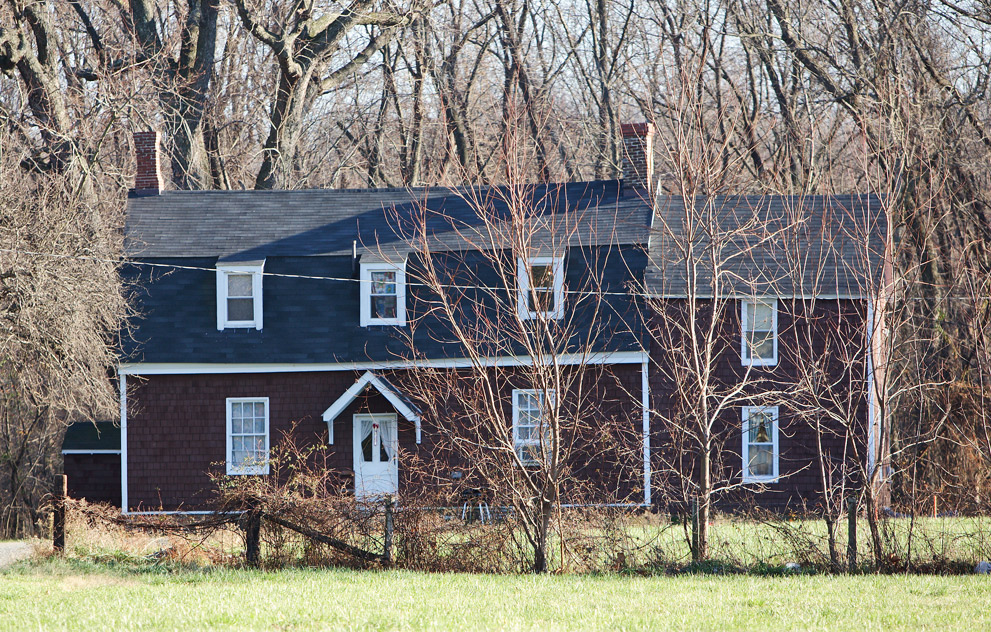
"House available in Aberdeen: three bedrooms, one bath, 1,036 square feet, Colonial style, George Washington reportedly slept there, rumored to be haunted.
The price: free.
The catch: New owner must move the home from the site it occupies on the edge of Aberdeen Proving Ground." - Baltimore Sun
Dec 5, 2006
Bomber pilot

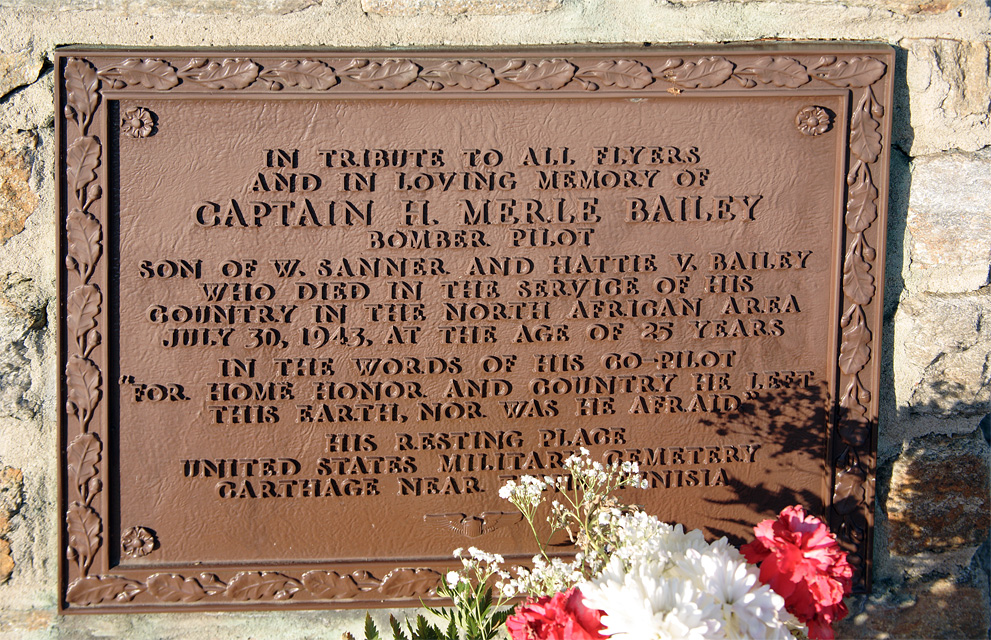
With his flight suit on, gloves under one arm, and cigarette in hand, the flier stands as a memorial to all World War Two aviators in general, and one pilot in particular. Captain H. Merle Bailey was shot down over North Africa in 1943 and is buried in Tunisia. He was 25 years old. The monument was commissioned by his parents and has stood for 60 some years at the town cemetery in Bel Air, Maryland.
Dec 3, 2006
Only the living know Bel Air
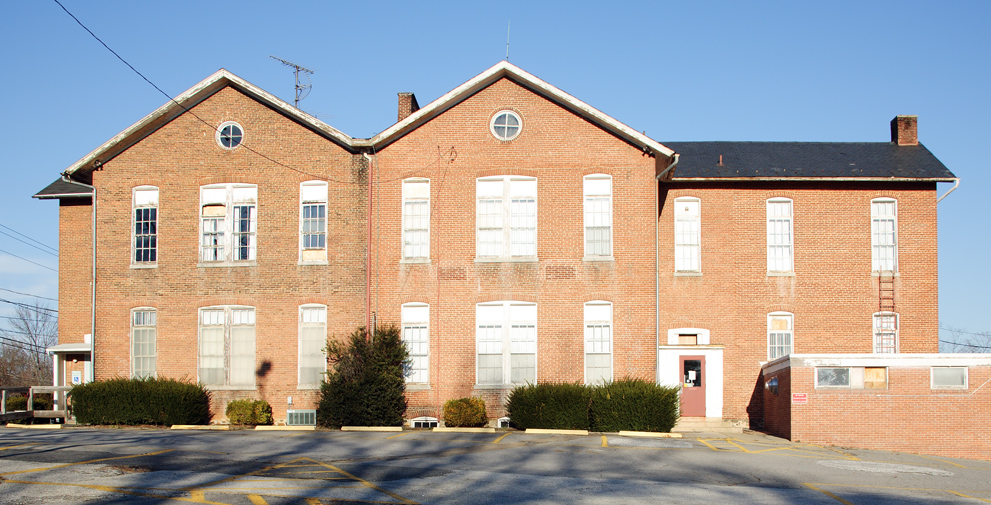
"Despite strong opposition from town officials, preservationists and alumni of a 19th-century school in Bel Air, the Harford County Board of Education voted unanimously last night to demolish the building to make way for an expansion of the playground, parking lot and bus loop at nearby Bel Air Elementary School." - Baltimore Sun
Dec 2, 2006
Country Churches: Bethel UMC
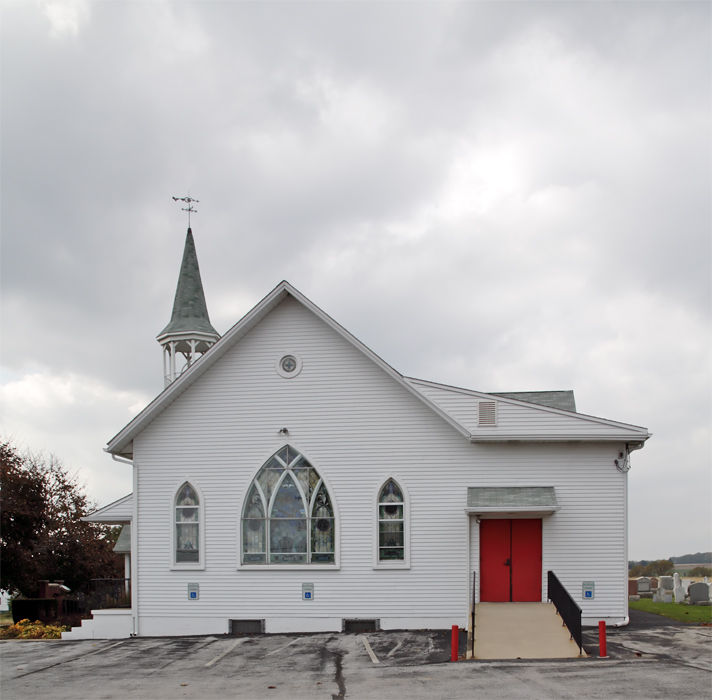
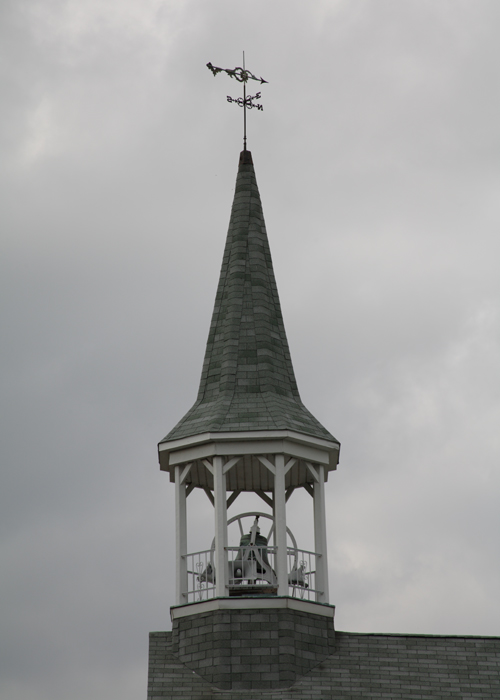
Southern York County, Pennsylvania. From the Wikipedia: "Circuit riders, many of whom were laymen, traveled by horseback to preach the gospel and establish churches until there was scarcely any crossroad community in America without a Methodist expression of Christianity. One of the most famous circuit riders was Robert Strawbridge who lived in the vicinity of Carroll County, Maryland soon after arriving in the Colonies around 1760."
Dec 1, 2006
Thanks and more thanks
We got a terrific review from artist/blogger Mary Rayme over at suite101 today. As my grandma used to say, "even a dog needs a pat on the head every once in awhile." (Dogs weren't as spoiled a hundred years ago as they are now.) Thanks again and keep up the great work at suite101.
I'd also like to thank Jonathon Fitzpatrick at Your Rapid Transit Source and Susan F. Heywood at DirectMarketingMBA.com/Blog for their recent links to our railroad news blog.
Under the plaster at Hampton Mansion
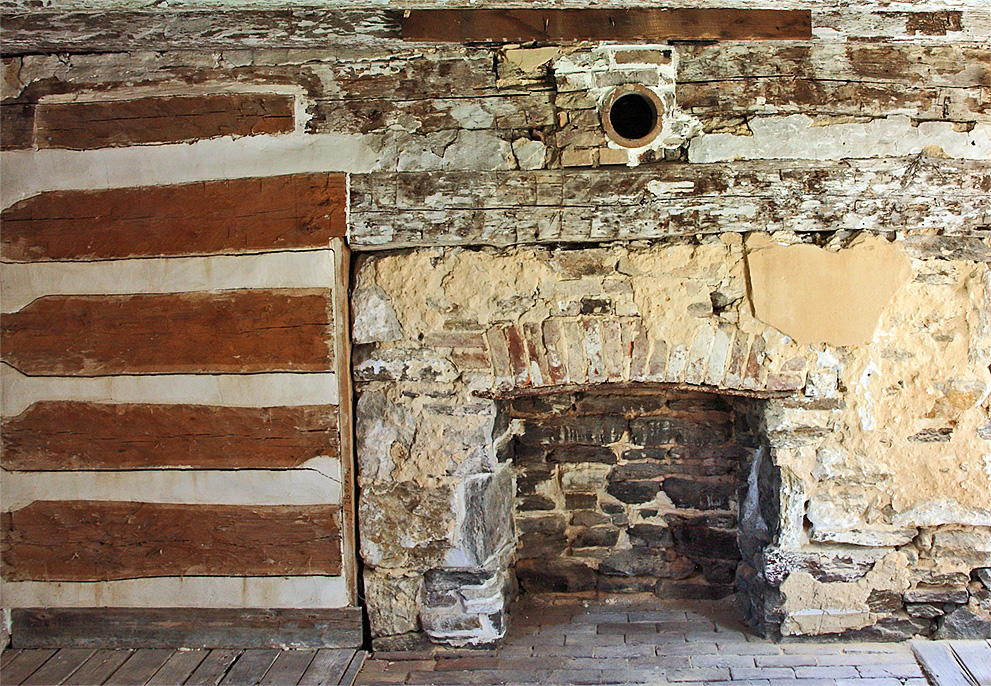
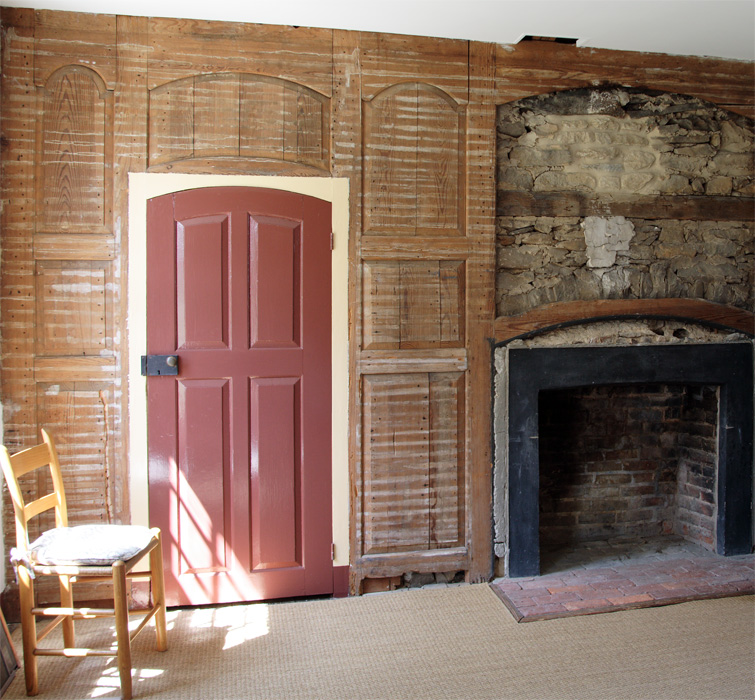
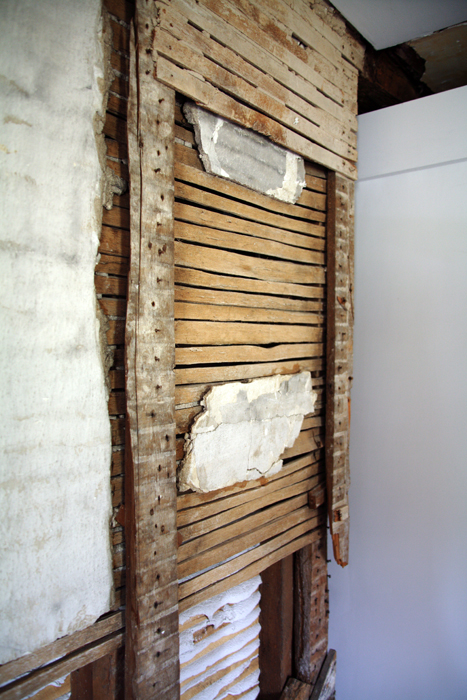
The National Park Service has opened up some of the walls of the farm buildings at Hampton National Historic Site in Towson, Maryland. It's a lot more interesting to look at than plaster. Pictured above is the interior of a cabin and two views from inside the (overseer's) farmhouse. Part of the farmhouse predates the mansion and is particularly interesting both on the surface and under. The mansion proper remains closed, but the farm is open and well worth a visit.